
Before Treating Depression, Rule Out the Body


Consider a client referred to you for major depressive disorder (MDD), a mood disorder defined by a depressive episode and additional diagnostic exclusions. The referral lists a high screening score and two unsuccessful antidepressant trials. No one has asked about the loud snoring, the new tremor, or the corticosteroid taper that began a month before the mood collapsed.
Sleep disorders, endocrine disease, medication effects, and neurological illness can overlap with depression or accompany an independent depressive disorder, and a symptom score cannot determine which explanation applies (American Psychiatric Association [APA], 2022a; National Institute for Health and Care Excellence [NICE], 2022a).

Biofeedback and neurofeedback providers are not expected to diagnose thyroid disease or interpret a sleep study. Your task is narrower and still essential: recognize a presentation that does not fit, document the evidence, and arrange appropriate assessment.
This post follows the order of a careful assessment. It starts with the depressive syndrome itself, moves to the history that dates each symptom and exposure, and identifies the findings that should prompt a re-evaluation of the diagnosis. It then reviews the medical conditions, medications, and substances that most often masquerade as depression, and it closes with what an unexpected brain recording can and cannot tell you. The aim throughout is a precise referral, not a diagnosis you are not positioned to make.
Confirm the depressive syndrome before assigning its cause
Diagnosis involves two separate judgments, and clinicians often skip the first. Before asking what caused a depression, confirm that the client actually meets criteria for one. The Diagnostic and Statistical Manual of Mental Disorders, Fifth Edition, Text Revision (DSM-5-TR) provides the criteria used here.

Criterion A requires at least five of nine symptoms during the same two-week period, with a change from previous functioning, and at least one must be depressed mood or anhedonia, markedly diminished interest or pleasure in almost all activities. Most symptoms must occur nearly every day; the requirements for weight change and recurrent death-related thoughts differ (APA, 2022a; Substance Abuse and Mental Health Services Administration [SAMHSA], 2020).
Symptoms clearly attributable to another medical condition should not count toward the episode's symptom total. Attribution requires clinical judgment, however, because an illness does not automatically rule out every overlapping symptom. A client with heart failure may be fatigued because of the heart failure, because of depression, or because of both. The criteria ask you to weigh that question rather than settle it by default.
Read the nine symptoms closely
Depressed mood means sadness, emptiness, or hopelessness, reported by the person or apparent to others. It must occupy most of the day, nearly every day; children and adolescents may instead show an irritable mood. Anhedonia must also occupy most of the day, nearly every day (APA, 2022a). These two core symptoms deserve your most careful questioning, because a client with poor sleep and low energy but intact mood and interest does not meet Criterion A, regardless of the screening score.
The bodily symptoms include significant appetite or weight change, insomnia, difficulty sleeping, or hypersomnia, excessive sleep. They also include fatigue or loss of energy and psychomotor changes, such as observable agitation or slowed movement and behavior. Subjective restlessness or feeling slowed does not, by itself, satisfy the psychomotor criterion. DSM-5-TR gives a weight change exceeding 5% in one month as an example and includes failure to gain expected weight in children.
The remaining symptoms concern diminished concentration or indecisiveness, worthlessness or excessive or inappropriate guilt, and recurrent thoughts of death or suicide. Ordinary self-reproach about being ill does not satisfy the guilt criterion. Death-related symptoms include suicidal thinking without a specific plan, a plan, or an attempt; fear of dying alone does not qualify. Neither guilt nor suicidal ideation is required when the other criteria establish the episode.
Apply the exclusions and ask about mania
Criterion B requires clinically significant distress or impairment. Criterion C excludes an episode attributable to a substance or the physiological effects of another medical condition (Department of Veterans Affairs & Department of Defense [VA/DoD], 2022). Criterion D requires that at least one episode not be better explained by schizoaffective disorder or superimposed on specified schizophrenia-spectrum or other psychotic disorders. Criterion E excludes a history of mania or hypomania, except episodes entirely attributable to substances or another medical condition (APA, 2022a, 2022b).
A manic episode involves a distinct period of abnormally elevated, expansive, or irritable mood with increased activity or energy and substantial clinical consequences. A hypomanic episode involves a less severe period of similar change, without the marked impairment, hospitalization, or psychosis defining mania. Either history requires reconsidering a unipolar MDD diagnosis rather than counting only the current depressive symptoms (APA, 2022a). Bereavement does not automatically exclude MDD, but grief requires contextual assessment (SAMHSA, 2020).
Establishing a depressive syndrome and identifying its cause are separate judgments. A medical disorder can produce a full affective syndrome, including anhedonia and suicidal thinking, rather than fatigue alone. Conversely, having a medical diagnosis does not establish that it caused the depression.
Keep three formulations in view
Once the syndrome is established, three formulations compete for the same symptoms.
Depressive disorder due to another medical condition requires evidence that the mood disturbance directly reflects that condition's physiological effects.
Substance/medication-induced depressive disorder requires a clinically plausible relationship to an exposure or withdrawal.
Independent MDD can coexist with either medical disease or substance use, so an abnormal laboratory result is not sufficient to reclassify the episode (APA, 2022a; SAMHSA, 2020). History, not the lab slip, decides among them.

Reconstruct the timeline before interpreting scores or recordings
Date every symptom
NICE recommends assessment beyond a symptom count, including course, previous episodes, functioning, physical health, and substance use. Ask what changed first: mood, sleep, physical stamina, cognition, or medication exposure. Establish the previous baseline and whether symptoms fluctuate with illness, treatment cycles, work schedules, or missed doses. With permission, obtain observations from someone who knows the client's usual functioning (NICE, 2022a).
The distinction between desire and capacity sharpens the interview. One client may still enjoy conversation or music while lacking the stamina for previous activities; another may lose interest even when rested. Apathy, reduced motivation, and self-initiated activity can accompany neurological disease and can coexist with depression (National Institute of Neurological Disorders and Stroke [NINDS], n.d.). These distinctions guide your questions, but do not treat absent guilt, preserved pleasure in one activity, or apathy as a validated test of medical versus psychiatric causation.
Ask explicitly about previous periods of increased energy, reduced need for sleep, unusual confidence, impulsive spending, or other uncharacteristic behavior. Reduced need for sleep means sleeping less without feeling tired; it differs from insomnia accompanied by exhaustion. Review family history and any previous antidepressant-associated mood elevation when considering bipolar illness (APA, 2022a; NICE, 2022a).
Then, turn to the body. Explore unexplained weight change, cold or heat intolerance, bowel changes, thirst, pain, breathlessness, and reduced exercise tolerance. Ask about snoring, witnessed breathing pauses, unintended daytime sleep, and unrefreshing sleep. New imbalance, sensory change, tremor, or loss of everyday skills should redirect the assessment toward medical and neurological evaluation (Kapur et al., 2017; NICE, 2018, 2023b; NINDS, n.d.).
Build a dated exposure record
A medication reconciliation is an inventory of what the client actually takes, compared with the intended treatment plan. Record generic and trade names, dose, formulation, route, timing, and as-needed use. Include start dates, recent increases or reductions, missed doses, and drugs stopped shortly before symptoms began. A bottle review and pharmacy list can reveal duplicate products or medications omitted from an intake form; ask the prescriber or pharmacist to reconcile discrepancies (2023 American Geriatrics Society Beers Criteria® Update Expert Panel [AGS Panel], 2023; SAMHSA, 2020).
Treat the medication and substance history as a dated exposure record. Prescription drugs, nonprescription sleep and allergy products, supplements, alcohol, and recreational substances all belong in that record. The relationship between exposure changes and symptoms is more informative than a checklist of drugs reported to cause depression.
Nonprescription products hide in plain sight. Specifically ask for the ingredients in nighttime pain remedies, cold products, sleep aids, and combination allergy preparations. Ask about corticosteroids in every formulation and supplements containing biotin (vitamin B7), which can interfere with thyroid testing.
These questions serve different purposes: some products alter alertness, whereas others complicate medical interpretation (AGS Panel, 2023; NICE, 2023b, 2024a).
Use neutral language for social drugs. Ask about alcohol quantity and pattern, cannabis products and their timing, nicotine, caffeine or energy drinks, and nonprescribed stimulants. Include cocaine, opioid use, and inhaled nitrous oxide when the history warrants it. Recent reduction or cessation matters as much as current use, and nitrous oxide exposure changes how you investigate a possible vitamin B12 problem (NICE, 2024b; SAMHSA, 2020).
Recognize the findings that reopen the diagnosis
Question an MDD formulation when the required core symptom or duration is missing, or when the initial assessment relied only on a screening score. Reconsider it when physical or cognitive changes dominate the presentation, especially after a medication change. Poor treatment response warrants reassessment of diagnosis, treatment adequacy, adherence, and coexisting illness; it does not prove a hidden medical cause (NICE, 2022a). A label such as treatment-resistant describes what has happened without explaining it.
An abrupt or fluctuating change in attention and awareness suggests delirium, an acute disturbance of attention and cognition, rather than uncomplicated depression. Hypoactive delirium presents with reduced activity, withdrawal, and slowed responses, which can be mistaken for depression or even for cooperation. NICE particularly cautions that this quiet presentation is often missed (NICE, 2023a). New confusion requires prompt medical assessment, not a trial of another training protocol.
Reopen the diagnosis when the time course, physical findings, or exposure history does not fit the original explanation. Do not require the client to fail additional treatment before investigating new confusion, neurological change, or systemic illness. Depression and a medical emergency can occur together (NICE, 2022a, 2023a).
Progressive loss of everyday abilities or new movement abnormalities warrant neurological review. Sudden weakness or numbness affecting one side, facial droop, or sudden trouble speaking or understanding speech, seeing, walking, or balancing may signal stroke. Treat these as an emergency and call emergency services, even if symptoms improve; do not make a routine referral first.
Gradual or progressive one-sided symptoms warrant prompt medical and neurological assessment (CDC, 2026b). Cognitive screening helps describe impairment but cannot, by itself, separate depression from a progressive brain disorder (NICE, 2018; NINDS, n.d.). We recommend pausing routine training when a new neurological concern has not been medically assessed. The pause costs little, and it protects the client while the question is answered.
Assess suicidal thinking directly regardless of the suspected cause. A current plan or intent, inability to maintain safety, or rapidly deteriorating mental status requires urgent evaluation through the appropriate emergency pathway (VA/DoD, 2022). The possibility that a drug or endocrine disorder contributed does not reduce the immediate need for protection.
Match medical testing to the clinical pattern
No laboratory panel excludes every medical explanation for depressive symptoms. Clinical guidance supports assessing plausible secondary causes and choosing investigations from the history and examination (VA/DoD, 2022). The tests below identify or reduce the likelihood of particular disorders; several neurological and postinfectious conditions remain clinical diagnoses despite normal routine results (Centers for Disease Control and Prevention [CDC], 2026; NICE, 2021). The sections that follow move system by system so that you can recognize the pattern that makes a specific test worth requesting.
Use a staged medical evaluation rather than an indiscriminate search for abnormalities. Match each test to a plausible condition, interpret the result in context, and reassess symptoms after the indicated treatment. A medical abnormality deserves care, but it does not automatically explain the entire depressive presentation (NICE, 2022a; VA/DoD, 2022).

Thyroid dysfunction can slow cognition or disrupt sleep
Hypothyroidism, insufficient thyroid hormone activity, can produce fatigue, slowed thinking, constipation, cold intolerance, dry skin, and depressed mood. Hyperthyroidism, excessive thyroid hormone activity, can produce sleep disturbance, weight loss, palpitations, and weakness; older adults may show withdrawal or reduced activity. Neither symptom pattern establishes the diagnosis (National Institute of Diabetes and Digestive and Kidney Diseases [NIDDK], n.d.-e, n.d.-f).
Thyroid-stimulating hormone (TSH) is the pituitary signal that regulates thyroid hormone production. Testing commonly starts with TSH, followed by free thyroxine (free T4), the unbound circulating form of a major thyroid hormone, when indicated. Suspected pituitary disease requires both measurements because TSH alone can miss central thyroid dysfunction. Recent acute illness and biotin use can complicate interpretation, so the clinician should review both before acting on unexpected results (NICE, 2023b).
Anemia and nutritional deficiencies drain energy and cognitive efficiency
Anemia, a lower-than-normal blood hemoglobin concentration, can produce weakness, poor stamina, breathlessness, and fatigue. A complete blood count (CBC) measures blood cells and hemoglobin, and ferritin, a protein used to assess iron stores, helps investigate iron deficiency. Low iron requires an explanation, such as blood loss or inadequate intake, rather than supplementation alone (National Heart, Lung, and Blood Institute [NHLBI], 2022c).
Vitamin B12 deficiency can affect cognition and mood and can cause numbness, tingling, or impaired gait. Normal hemoglobin and normal red-cell size do not exclude it. NICE recommends total or active B12 testing in appropriate presentations and methylmalonic acid (MMA), a metabolite that rises with impaired B12-dependent metabolism, when initial results are indeterminate. Suspected nitrous oxide-related deficiency warrants MMA or homocysteine testing because circulating B12 can be misleading (NICE, 2024b).
When considering nutritional causes, ask about restricted diets, gastrointestinal disease or surgery, and relevant medication exposure. Folate deficiency also belongs in selected investigations, especially when intake or blood findings suggest it. In people with cancer, anemia, B12 or folate deficiency, and treatment effects can overlap with depressive symptoms (National Cancer Institute [NCI], 2024; NICE, 2024b).
Sleep-disordered breathing requires a sleep evaluation
Obstructive sleep apnea (OSA) involves repeated upper-airway obstruction during sleep. Snoring, witnessed pauses, gasping, unrefreshing sleep, and daytime sleepiness increase suspicion, although a questionnaire cannot establish the diagnosis. Polysomnography records sleep and physiological signals overnight; home sleep apnea testing uses a more limited recording in selected uncomplicated adults (Kapur et al., 2017).
A negative, inconclusive, or technically inadequate home test should lead to polysomnography when OSA remains a concern. The sleep guideline favors polysomnography over home testing in significant cardiorespiratory disease, chronic opioid use, previous stroke, and several other complicated presentations. A routine neurofeedback recording cannot substitute for respiratory monitoring during sleep (Kapur et al., 2017). Also, ask about sleep opportunity and timing, since insufficient sleep and disrupted schedules require a different management plan (NICE, 2022a).
Glucose, electrolyte, and organ-function abnormalities need contextual interpretation
When symptoms suggest a metabolic contributor, the medical clinician may investigate glucose, electrolytes, calcium, and renal or hepatic function. In people with cancer, electrolyte disturbances and endocrine changes are among the recognized contributors to depressive presentations (NCI, 2024).
A comprehensive metabolic panel (CMP) groups blood measurements of glucose, electrolytes, proteins, and organ-function markers (National Library of Medicine [NLM], 2023). Treat it as a starting investigation, not a diagnostic test for depression.
Diabetes mellitus involves abnormally high blood glucose. Thirst, frequent urination, unexplained weight loss, and fatigue warrant glucose testing; hemoglobin A1c (HbA1c) estimates average glucose exposure over approximately three months. Blood disorders can make HbA1c misleading, so discordant results require clinical review rather than reliance on one measurement (NIDDK, n.d.-c, n.d.-d).
Hypercalcemia, elevated blood calcium, can accompany fatigue, weakness, constipation, or depressed mood. Persistently elevated calcium may prompt measurement of parathyroid hormone (PTH), a hormone that regulates calcium, to investigate primary hyperparathyroidism. The relationship between calcium and PTH is more informative than either result alone (NIDDK, n.d.-g).
Hyponatremia, low blood sodium, can cause difficulty concentrating, confusion, weakness, and unsteadiness. Medication exposure matters because sertraline and other serotonin-reuptake antidepressants can contribute to this disturbance. New cognitive symptoms after treatment initiation or a dose change therefore warrant medical review rather than automatic attribution to worsening depression (Viatris Specialty LLC, 2023).
Chronic kidney disease involves persistent kidney damage or impaired filtering function. Advanced disease can affect energy, appetite, sleep, and concentration; evaluation includes blood tests to estimate filtering function and urine testing for albumin, a blood protein. Cirrhosis, advanced liver scarring, can also cause fatigue and poor appetite, with jaundice or swelling in more advanced presentations. Liver blood tests and appropriate imaging help investigate that possibility (NIDDK, n.d.-a, n.d.-b).
Breathlessness with activity, leg swelling, or difficulty breathing when lying flat should prompt assessment for heart failure, which can also cause fatigue. Evaluation may include a heart examination, blood tests for cardiac stress markers, and echocardiography, ultrasound imaging of cardiac structure and function. These tests address a cardiac hypothesis; they are not routine investigations for every depressed client (NHLBI, 2022a, 2022b).
Adrenal and gonadal testing should follow specific clinical clues
Adrenal insufficiency means inadequate adrenal hormone production, particularly cortisol. Consider it with marked fatigue, weight loss, gastrointestinal symptoms, low blood pressure, or symptoms following corticosteroid reduction. An 8 to 9 a.m. serum cortisol can guide investigation; specialist assessment may include testing the adrenal response to synthetic adrenocorticotropic hormone. Suspected adrenal crisis requires emergency treatment rather than waiting for routine outpatient results (NICE, 2024a).
Cushing syndrome results from prolonged excessive cortisol exposure. Progressive proximal muscle weakness, easy bruising, and broad purple stretch marks provide more specific reasons to investigate than fatigue or depressed mood alone. Appropriate selected tests include late-night salivary cortisol, urinary free cortisol, or a dexamethasone suppression test, which measures cortisol after a suppressive medication dose. A random cortisol measurement is not a suitable general screening test (Endocrine Society, 2008).
Hypogonadism is inadequate gonadal function, including low testosterone production in men. Reduced sexual desire or other compatible symptoms plus consistently low testosterone support investigation; fatigue alone is insufficient. The Endocrine Society recommends confirming a low result with a repeat morning fasting testosterone measurement before diagnosing testosterone deficiency (Endocrine Society, 2018).
Neurological illness is diagnosed by examination, not by a laboratory panel
Parkinson disease can involve depressed mood or apathy alongside slowness, rigidity, tremor, and altered gait. Reduced facial expression and slowed movement can resemble depressive psychomotor change. Diagnosis depends substantially on history and neurological examination; testing helps assess alternative explanations rather than providing a universal blood test for the disorder (NINDS, n.d.).
Dementia describes acquired cognitive decline that interferes with independent functioning. Progressive difficulty managing medications, finances, appointments, or navigation deserves evaluation even when a depression score is elevated. Informant history, cognitive assessment, examination, selected laboratory testing, and structural imaging help investigate the cause. Depression may coexist with a progressive cognitive disorder, and one normal brief screen does not settle the differential diagnosis (NICE, 2018).
A history of stroke, head injury, or episodic neurological symptoms changes the assessment. Medical evaluation can include magnetic resonance imaging (MRI), which uses magnetic fields to produce structural images, when the history or examination suggests a focal or progressive brain disorder. Dementia guidance does not imply routine MRI for every depressive presentation (NICE, 2018). When you refer, describe the new deficit and its timing rather than requesting imaging solely because a brain map contains an outlier.
Systemic and postinfectious illness can coexist with depression
Cancer, persistent pain, and treatment-related illness can affect sleep, appetite, energy, and mood. In a person with cancer, the evaluation may need to address infection, anemia, electrolyte disturbance, endocrine dysfunction, and medication effects alongside a psychiatric assessment. Neither the cancer diagnosis nor fatigue alone establishes MDD (NCI, 2024). Unexplained systemic changes should therefore return the client to medical care rather than expanding a neurofeedback protocol.
Risk-based testing for infections such as syphilis may be appropriate when the history or presentation supports it. That differs from ordering broad infectious, autoimmune, or toxic-exposure panels for everyone with depressive symptoms (VA/DoD, 2022). I recommend asking the treating clinician which specific hypothesis each additional test addresses.
Long COVID refers to chronic illness following SARS-CoV-2 infection. CDC guidance states that no laboratory test can definitively diagnose or exclude it or distinguish it from conditions with another cause.
Myalgic encephalomyelitis/ chronic fatigue syndrome (ME/CFS) involves disabling fatigue with additional characteristic symptoms, including post-exertional malaise, worsening after activity that would previously have been tolerated. Symptoms may worsen after a delay, so an apparently successful activity session can be misleading (CDC, 2026; NICE, 2021).
NICE recommends clinical assessment and investigations for alternative or coexisting explanations in suspected ME/CFS. Normal routine tests do not establish a psychiatric cause. Fixed exercise increases are inappropriate when they ignore post-exertional malaise, so adapt appointments and home practice to the client's symptom limits (NICE, 2021). Improvement in a depression score would not, by itself, show that the postinfectious illness has resolved.
Separate drug effects from the depression itself
Medications deserve their own section because their effects are often reversible and their timing is knowable. A drug described as a central nervous system depressant reduces aspects of nervous-system activity; the term does not mean that it necessarily causes depressive mood. Sedation, impaired attention, and reduced activity can nevertheless resemble components of depression. Benzodiazepines, sleep medications such as zolpidem, opioids, and some antiseizure drugs merit review when alertness or cognition changes (AGS Panel, 2023; SAMHSA, 2020).
Anticholinergic burden is the combined effect of medications that block acetylcholine signaling. The 2023 Beers Criteria particularly caution against first-generation antihistamines such as diphenhydramine and doxylamine in older adults because of confusion and other harms. Sedating prescription drugs and nonprescription sleep products may compound one another's effects. These recommendations concern older adults and should not be presented as incidence estimates for every age group (AGS Panel, 2023).
Ask whether a medication caused depressed mood, reduced alertness, a physiological complication, or withdrawal symptoms. Those possibilities require different management, even when they raise the same depression-screening score. Coordinate changes with the prescriber; unsupervised withdrawal can create a new medical problem (AGS Panel, 2023; U.S. Food and Drug Administration [FDA], 2020b).
Psychiatric and neurological drugs can complicate the presenting picture
Risperidone, an antipsychotic medication, can cause sedation and parkinsonism, movement slowing and related signs resembling Parkinson disease. These effects can resemble low motivation or depressive slowing without establishing a new mood disorder. The prescribing information also identifies akathisia, distressing restlessness, which should not automatically be interpreted as anxiety or depressive agitation (Janssen Pharmaceuticals, Inc., 2026a).
Topiramate, an antiseizure medication, can produce slowed thinking, attention or memory difficulties, word-finding problems, fatigue, and mood-related adverse effects. Its prescribing information also warns about metabolic acidosis, an acid-base disturbance involving reduced blood bicarbonate, and recommends baseline and periodic bicarbonate measurement. Unexplained lethargy or altered mental status may require investigation for hyperammonemia, elevated blood ammonia, especially with concurrent valproate, another antiseizure medication. These are prescriber-directed investigations for a specific exposure and presentation, not routine screening tests for depression (Janssen Pharmaceuticals, Inc., 2026b).
Antidepressants also belong in the medication review. Sertraline-associated hyponatremia can impair cognition and energy, while abrupt discontinuation can produce mood symptoms, dizziness, sleep disturbance, and other symptoms. A recent missed-dose pattern or rapid reduction therefore deserves attention before labeling a client's deterioration as recurrent MDD (NICE, 2022a; Viatris Specialty LLC, 2023).
Some systemic treatments carry direct psychiatric safety signals
Glucocorticoids, steroid medications with cortisol-like actions, can be associated with mood and behavioral changes. A 2026 Swedish cohort study of more than one million people found a small association between oral glucocorticoid exposure and specialist-treated depressive outcomes. Associations differed across psychiatric outcomes; suicidal behavior did not show a clear increase. The observational design could not fully separate treatment effects from illness-related factors (Lagerberg et al., 2026).
Review steroid initiation, dose escalation, sleep changes, and recent reduction. Steroid-associated mood elevation also matters because a presentation may shift between activation and depression. Withdrawal-related adrenal insufficiency belongs in the differential when physical symptoms emerge during reduction (NICE, 2024a; SAMHSA, 2020). The prescribing team should direct any adjustment.
Interferon-alpha, an immune-signaling treatment used in selected diseases, illustrates why fatigue and depression cannot be treated as interchangeable. In a study of 40 melanoma patients, fatigue, appetite loss, and pain appeared early during treatment. Mood, anxiety, and cognitive symptoms emerged differently, and symptom dimensions differed in their response to the antidepressant paroxetine. The small, treatment-specific study supports careful symptom characterization, not generalization to every immunotherapy (Capuron et al., 2002).
Montelukast, an asthma and allergy medication, carries an FDA boxed warning about serious mental health effects, including reports of suicidal thoughts or actions. The FDA also reported that its Sentinel observational study did not detect increased risk compared with inhaled corticosteroids, while discussing limitations. These reports establish a safety concern that requires counseling and clinical review, not a predictable outcome for every user. Clients who develop new behavioral or mood symptoms should follow the medication warning and promptly contact the prescriber (FDA, 2020a).
Beta blockers illustrate why class-wide claims need restraint
Beta blockers limit the effects of adrenaline-related signaling at beta receptors. A 2021 meta-analysis of randomized trials did not find increased depression during beta-blocker treatment, although fatigue and sleep-related complaints remained relevant adverse effects. That finding argues against routinely labeling the entire class as depressogenic (Riemer et al., 2021). A later randomized, open-label substudy of 806 post-infarction patients with preserved heart function reported small increases in depressive symptom scores with beta blockers. It measured symptoms in a selected cardiac population, not new DSM-defined MDD in all users (Leissner et al., 2024). A larger 2026 prespecified BETAMI-DANBLOCK substudy adds evidence from a post-infarction population. Of 5,622 randomized participants, 4,733 completed patient-reported outcome measures at least once. The study found no clinically meaningful effect of beta-blockers on depression or anxiety symptoms over two years. At 12 months, the estimated between-group difference in change on the HADS depression subscale was 0.20 points, below the study’s stated 1.7-point threshold for clinical importance. The findings apply to patients after myocardial infarction with LVEF ≥40% and without clinical heart failure; 95.6% of the beta-blocker group used metoprolol, with a median dose of 50 mg/day (Nyen et al., 2026).
The appropriate response is an individualized review of timing, symptoms, and the drug's indication. Do not advise stopping a cardiovascular medication solely because fatigue or a high depression score is present. Ask the prescriber to consider adverse effects alongside the risks of changing treatment.
Intoxication and withdrawal can mimic an episode
Alcohol and other substances can produce depressive presentations during use or withdrawal. Stimulant withdrawal can involve low mood, fatigue, increased sleep, and reduced motivation; alcohol and sedative exposure can impair sleep and cognition. Substance history and follow-up over time help distinguish independent depression from an induced syndrome, but the required observation period varies with the substance and clinical circumstances (SAMHSA, 2020).
Do not postpone suicide assessment or necessary treatment while waiting for diagnostic certainty. Benzodiazepine withdrawal can be serious, including seizures, and the FDA recommends an individualized gradual taper when discontinuation is appropriate. Alcohol withdrawal can also require medical supervision (FDA, 2020b; SAMHSA, 2020). For biofeedback practice, document exposure and symptoms, obtain consent to coordinate care, and avoid independently directing detoxification or medication withdrawal.

Read EEG abnormalities as referral signals, not etiologic labels
Electroencephalography (EEG) records scalp electrical potentials associated with brain activity, while quantitative EEG (qEEG) applies numerical analyses to those recordings. A biomarker is a measured characteristic that indicates a biological process or condition. Neither a colored qEEG deviation nor a commonly studied depression-associated pattern establishes the cause of an individual client's symptoms. Diagnostic and prognostic claims must remain distinct (Arns et al., 2016; Britton et al., 2016; Heitmann et al., 2026).
A word about terms is needed here. In this post, a search for functional causes means investigating potentially treatable physiological contributors to altered functioning, such as medication effects or metabolic illness. It does not mean assuming that a symptom is psychogenic or diagnosing a functional neurological disorder. MDD itself is not a diagnosis of a biologically normal brain; the relevant question is whether another condition better explains, or contributes to, the presentation.
Use an unexpected EEG finding to refine the clinical question and referral. Persistent slowing, convincing focal abnormalities, or suspicious discharges may justify medical or neurological investigation, but they do not identify a specific thyroid, nutritional, toxic, or psychiatric cause. Review the raw recording before interpreting a statistical map (Britton et al., 2016).
Resolve state and artifact before inferring abnormality
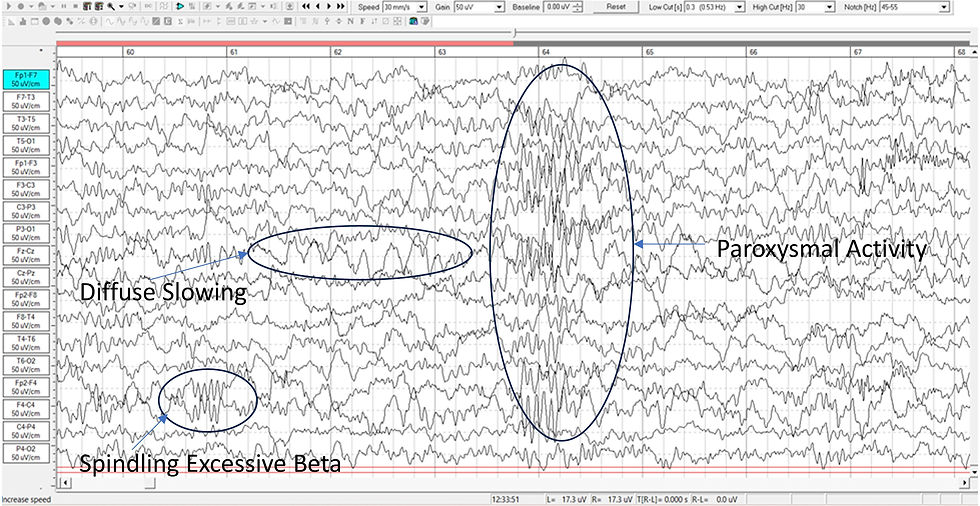
Artifact is recorded activity that does not represent the brain signal being evaluated. Eye movements, muscle activity, electrode problems, and changes in alertness can distort spectral estimates. Drowsiness normally increases slower activity, so the same numerical finding can have different meanings in an alert recording and in one drifting into sleep (Britton et al., 2016). Document recent sleep, recording state, medications, and substances before deciding whether a pattern warrants referral.
Beta activity refers to faster EEG activity above approximately 13 hertz (Hz), or cycles per second; exact analysis bands vary across studies. Benzodiazepines and barbiturates can increase beta activity, while cranial muscle activity can contaminate the same frequencies (Britton et al., 2016).
In a physiological experiment involving only two participants, neuromuscular blockade greatly reduced scalp-recorded power above 20 Hz. This supports serious attention to electromyographic (EMG) contamination, muscle electrical activity mixed into EEG, without implying that every fast component is artifact (Whitham et al., 2007).
Persistent slowing prompts a differential, not a deficiency label
Generalized slowing means abnormally slow activity distributed across the recording. Persistent slowing during clear wakefulness can indicate diffuse cerebral dysfunction associated with medication effects, metabolic disturbance, or neurological disease. Interpretation depends on age, state, waveform features, and clinical presentation (Britton et al., 2016).
In 200 hospitalized patients referred for EEG during altered mental status, slowing correlated with delirium severity and unfavorable outcomes. That study did not establish an outpatient qEEG cutoff for diagnosing delirium or identifying its cause (Kimchi et al., 2019). If slowing accompanies newly impaired attention or awareness, medical evaluation takes priority over attempts to reduce slow-wave amplitude through training.
Focal slowing is abnormally slow activity concentrated in one region. A reproducible focal abnormality can suggest localized cerebral dysfunction and may warrant neurological assessment and appropriate imaging. It cannot identify the specific lesion or prove that the lesion caused depressive symptoms (Britton et al., 2016). Refer to the raw data and clinical observations, not only the color map.
Suspicious discharges and altered awareness require qualified review
Epileptiform discharges are waveforms with features associated with increased seizure propensity; not every sharp-looking transient qualifies. An expert must distinguish them from artifacts and normal variants. Recurrent stereotyped spells, unexplained lapses of awareness, or unusual episodic behavior strengthen the reason for neurological assessment (Britton et al., 2016; NICE, 2022b).
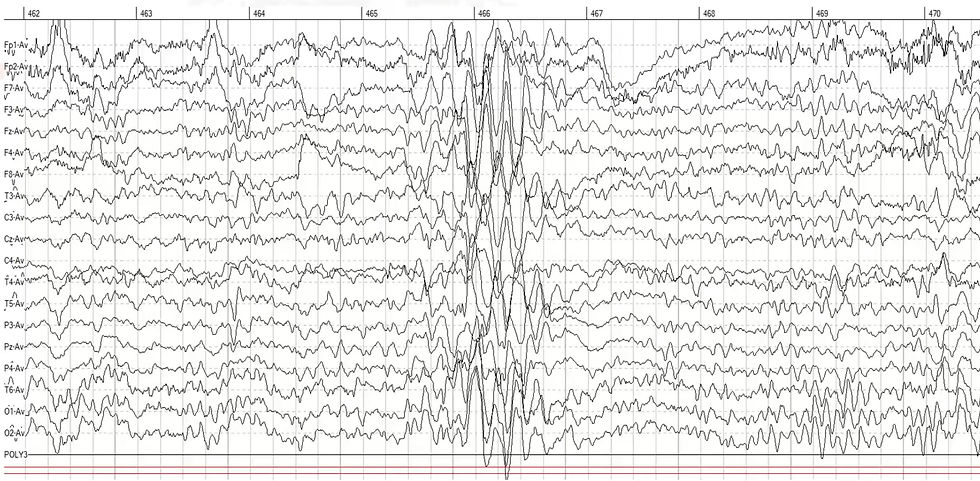
A normal routine EEG does not exclude epilepsy. NICE recommends additional assessment, including sleep-deprived or ambulatory EEG in selected cases, when uncertainty persists (NICE, 2022b). Prolonged unexplained altered awareness requires urgent medical evaluation rather than an outpatient protocol adjustment.
Triphasic morphology describes a three-phase waveform appearance that can occur within generalized periodic EEG patterns. Such patterns can accompany encephalopathy (disturbed brain function), but they are not specific to liver disease. Their interpretation requires the complete recording and clinical context (Britton et al., 2016). A neurofeedback provider should not attempt to train away a newly recognized pathological pattern before medical review.
Group-level research findings do not diagnose an individual
Frontal alpha asymmetry compares alpha activity, rhythmic activity commonly defined around 8 to 13 Hz, between frontal scalp regions (Britton et al., 2016). In the randomized iSPOT-D study, investigators compared 1,008 people with MDD and 336 healthy controls and found no diagnostic group difference in alpha asymmetry. Some treatment-outcome associations depended on sex and antidepressant class. A predictor within a treatment sample is not evidence that the measure can establish an MDD diagnosis (Arns et al., 2016).
A 2026 systematic review and meta-analysis included 52 resting-state EEG studies of depression. Its beta-power meta-analysis included only six studies and reported high heterogeneity. The review also found high risk of bias and insufficient evidence to interpret correlations between EEG measures and depression severity. These group-level findings do not establish an individual diagnostic threshold or show that beta power distinguishes MDD from medication effects, muscle artifact, or another illness (Heitmann et al., 2026).
A separate 2026 diagnostic-accuracy meta-analysis of 18 studies, reporting 58 results, found pooled EEG sensitivity of 93.9% and specificity of 89.8%. The authors also noted patient-selection bias, small samples, and unexplained clinical and statistical heterogeneity. These pooled estimates do not, by themselves, establish a validated, generalizable qEEG test for diagnosing an individual client (Jing et al., 2026).
Normal EEG does not rule out the endocrine, sleep, or nutritional conditions discussed above, which require different clinical information and tests. Conversely, an isolated qEEG outlier cannot establish a B12 deficiency, cortisol disorder, or toxic exposure (Britton et al., 2016; Kapur et al., 2017; NICE, 2023b, 2024b). I recommend reporting the observed signal and the unresolved clinical question, without assigning an unsupported biochemical explanation.
Coordinate care and keep your measurements separate
Providers should work within their competence and coordinate care when the presentation requires medical assessment (AAPB, n.d.). A useful referral states what changed, when it changed, the relevant exposures, and the observations supporting concern. For example, I would report new daytime sleepiness with witnessed apneas rather than suggest that increased theta proves a metabolic disorder. Include raw recordings when relevant, along with the recording conditions and the limits of your interpretation. A referring clinician can act on a dated observation far more easily than on a color map with no clinical question attached.
Keep training performance, resting physiology, and clinical outcomes separate. Improvement during biofeedback does not establish that a medical contributor has resolved, and a more typical EEG pattern cannot validate an MDD diagnosis. Continue to assess symptoms and functioning while the appropriate clinician investigates the medical concern (Arns et al., 2016; AAPB, n.d.; Caldwell & Steffen, 2018).
A randomized study of HRV biofeedback added to psychotherapy measured both HRV and depressive symptoms and reported improvements relative to psychotherapy alone. The result supports studying physiological and clinical outcomes separately; it does not establish that a particular HRV value diagnoses depression or excludes medical illness (Caldwell & Steffen, 2018). We recommend retaining a distinct record of training performance, standardized resting measurements, and changes in daily function.
For a stable client, coordinated adjunctive training may continue while the medical evaluation proceeds. New confusion, possible seizures, or acute safety concerns should interrupt routine training and trigger appropriate assessment (NICE, 2022b, 2023a; VA/DoD, 2022). Document medication changes and subsequent symptom changes, but do not treat temporal improvement as proof of a single mechanism.
Treat the person while revisiting the explanation
The client from the opening paragraph may turn out to have untreated sleep apnea, a steroid-withdrawal syndrome, an independent MDD, or all three. Your contribution is not to choose among them from the training chair. It is to notice when the story does not fit, record what you observed, and make sure the right clinician hears it. Training can continue for a stable client while that evaluation proceeds, as long as you keep measuring symptoms and function rather than assuming that physiology tells the whole story.
A defensible depression assessment establishes the syndrome, explores plausible contributors, and revises the formulation as new evidence emerges. History and targeted testing do most of the diagnostic work; the EEG can occasionally add a reason for referral. Biofeedback providers contribute by recognizing inconsistencies, communicating observations, and measuring clinically meaningful change without claiming that physiological training identifies or removes every cause (AAPB, n.d.; Britton et al., 2016; NICE, 2022a).
Five key takeaways
1. Confirm the required depressive symptoms, duration, impairment, and exclusions before accepting an MDD label. Medical illness can produce a full depressive syndrome or coexist with independent MDD.
2. Obtain a dated inventory of prescription medications, nonprescription products, supplements, and social drugs. Include dose changes, missed doses, recent discontinuation, and withdrawal.
3. Reconsider the formulation when symptoms fluctuate abruptly, neurological or systemic findings emerge, or the clinical course does not fit. New confusion and acute suicidal risk require prompt assessment.
4. Match medical testing to the history and examination. Normal routine results do not exclude every neurological or postinfectious condition, and an abnormal result does not establish the cause of depression.
5. Treat persistent EEG abnormalities as possible referral signals. Neither a qEEG outlier nor improved training physiology diagnoses MDD, identifies a specific medical cause, or proves recovery.
Glossary
adrenal insufficiency: inadequate production of adrenal hormones, particularly cortisol.
akathisia: distressing restlessness that can occur as a medication adverse effect.
alpha activity: rhythmic EEG activity commonly defined around 8 to 13 Hz.
anemia: a lower-than-normal blood hemoglobin concentration.
anhedonia: markedly diminished interest or pleasure in almost all activities.
anticholinergic burden: the combined effects of medications that block acetylcholine signaling.
apathy: reduced motivation and self-initiated activity.
artifact: recorded activity that does not represent the brain signal being evaluated.
beta activity: EEG activity above approximately 13 Hz, with analysis boundaries varying across studies.
beta blockers: medications that limit the effects of adrenaline-related signaling at beta receptors.
biofeedback: use of measured physiological information to support learning changes in physiological activity.
biomarker: a measured characteristic used as an indicator of a biological process or condition.
central nervous system depressant: a substance that reduces aspects of nervous-system activity; the term does not necessarily imply depressed mood.
chronic kidney disease: persistent kidney damage or impaired filtering function.
cirrhosis: advanced scarring of the liver.
complete blood count (CBC): a laboratory test measuring blood cells and hemoglobin.
comprehensive metabolic panel (CMP): a group of blood measurements covering glucose, electrolytes, proteins, and organ-function markers.
Cushing syndrome: a condition resulting from prolonged excessive cortisol exposure.
delirium: an acute disturbance of attention and cognition, often with fluctuating awareness.
dementia: acquired cognitive decline that interferes with independent functioning.
depressive disorder due to another medical condition: a depressive condition attributed to the direct physiological effects of another medical condition.
diabetes mellitus: a disorder involving abnormally high blood glucose.
Diagnostic and Statistical Manual of Mental Disorders, Fifth Edition, Text Revision (DSM-5-TR): the diagnostic manual providing the psychiatric criteria used in the post.
echocardiography: ultrasound imaging of cardiac structure and function.
electroencephalography (EEG): recording of scalp electrical potentials associated with brain activity.
electromyographic (EMG) contamination: muscle electrical activity mixed into EEG.
encephalopathy: disturbed brain function.
epileptiform discharges: waveforms with features associated with increased seizure propensity, requiring expert distinction from normal variants and artifacts.
ferritin: a protein used to assess iron stores.
focal slowing: abnormally slow EEG activity concentrated in one region.
free thyroxine (free T4): the unbound circulating form of a major thyroid hormone.
frontal alpha asymmetry: a comparison of alpha activity between frontal scalp regions.
generalized slowing: abnormally slow activity distributed across EEG recordings.
glucocorticoids: steroid medications with cortisol-like actions.
heart rate variability (HRV): variation in the intervals between heartbeats.
hemoglobin A1c (HbA1c): a blood measure used to estimate average glucose exposure over approximately three months.
hertz (Hz): cycles per second, the unit of frequency.
home sleep apnea testing: limited overnight physiological recording used to investigate sleep apnea in selected adults.
hyperammonemia: elevated blood ammonia.
hypercalcemia: elevated blood calcium.
hypersomnia: excessive sleep.
hyperthyroidism: excessive thyroid hormone activity.
hypoactive delirium: delirium presenting with reduced activity, withdrawal, and slowed responses.
hypogonadism: inadequate gonadal function, including low testosterone production in men.
hypomanic episode: a distinct, less severe period of mood elevation or irritability and increased activity or energy without the marked consequences defining mania.
hyponatremia: low blood sodium.
hypothyroidism: insufficient thyroid hormone activity.
insomnia: difficulty sleeping.
interferon-alpha: an immune-signaling treatment used in selected diseases.
Long COVID: chronic illness following SARS-CoV-2 infection.
magnetic resonance imaging (MRI): structural imaging produced using magnetic fields.
major depressive disorder (MDD): a mood disorder requiring a depressive episode and additional diagnostic exclusions.
manic episode: a distinct period of abnormally elevated, expansive, or irritable mood with increased activity or energy and substantial clinical consequences.
medication reconciliation: comparison of the medications a person actually takes with the intended treatment plan.
metabolic acidosis: an acid-base disturbance involving reduced blood bicarbonate.
methylmalonic acid (MMA): a metabolite that rises with impaired vitamin B12-dependent metabolism.
myalgic encephalomyelitis/chronic fatigue syndrome (ME/CFS): an illness involving disabling fatigue and characteristic additional symptoms, including post-exertional malaise.
neurofeedback: application of feedback to measured brain activity.
obstructive sleep apnea (OSA): repeated upper-airway obstruction during sleep.
parathyroid hormone (PTH): a hormone that regulates calcium.
Parkinson disease: a neurological disorder that can involve slowness, rigidity, tremor, gait change, and nonmotor symptoms such as depressed mood or apathy.
parkinsonism: movement slowing and related signs resembling Parkinson disease.
polysomnography: overnight recording of sleep and physiological signals.
post-exertional malaise: worsening of symptoms after activity that would previously have been tolerated, sometimes after a delay.
psychomotor change: observable agitation or slowing of movement and behavior.
quantitative EEG (qEEG): numerical analysis of EEG recordings.
substance/medication-induced depressive disorder: a depressive condition with a clinically plausible relationship to substance or medication exposure or withdrawal.
thyroid-stimulating hormone (TSH): the pituitary signal that regulates thyroid hormone production.
triphasic morphology: a three-phase waveform appearance that can occur within generalized periodic EEG patterns.
vitamin B12 deficiency: inadequate vitamin B12 availability or function that can affect cognition, mood, sensation, or gait.
References
2023 American Geriatrics Society Beers Criteria® Update Expert Panel. (2023). American Geriatrics Society 2023 updated AGS Beers Criteria® for potentially inappropriate medication use in older adults. Journal of the American Geriatrics Society, 71(7), 2052–2081. https://doi.org/10.1111/jgs.18372
American Psychiatric Association. (2022a). Diagnostic and statistical manual of mental disorders (5th ed., text rev.). https://doi.org/10.1176/appi.books.9780890425787
American Psychiatric Association. (2022b). Major depressive disorder [Fact sheet]. https://www.psychiatry.org/getmedia/33fc7cdb-6fd8-46a7-9ff2-225ba7862f7f/APA-DSM5TR-MajorDepressiveDisorder.pdf
Arns, M., Bruder, G., Hegerl, U., Spooner, C., Palmer, D. M., Etkin, A., Fallahpour, K., Gatt, J. M., Hirshberg, L., & Gordon, E. (2016). EEG alpha asymmetry as a gender-specific predictor of outcome to acute treatment with different antidepressant medications in the randomized iSPOT-D study. Clinical Neurophysiology, 127(1), 509–519. https://doi.org/10.1016/j.clinph.2015.05.032
Association for Applied Psychophysiology and Biofeedback. (n.d.). Standards for performing biofeedback. https://aapb.org/Standards_for_Performing_Biofeedback
Britton, J. W., Frey, L. C., Hopp, J. L., Korb, P., Koubeissi, M. Z., Lievens, W. E., Pestana-Knight, E. M., & St. Louis, E. K. (2016). Electroencephalography (EEG): An introductory text and atlas of normal and abnormal findings in adults, children, and infants (E. K. St. Louis & L. C. Frey, Eds.). American Epilepsy Society. https://www.ncbi.nlm.nih.gov/books/NBK390354/
Caldwell, Y. T., & Steffen, P. R. (2018). Adding HRV biofeedback to psychotherapy increases heart rate variability and improves the treatment of major depressive disorder. International Journal of Psychophysiology, 131, 96–101. https://doi.org/10.1016/j.ijpsycho.2018.01.001
Capuron, L., Gumnick, J. F., Musselman, D. L., Lawson, D. H., Reemsnyder, A., Nemeroff, C. B., & Miller, A. H. (2002). Neurobehavioral effects of interferon-alpha in cancer patients: Phenomenology and paroxetine responsiveness of symptom dimensions. Neuropsychopharmacology, 26(5), 643–652. https://doi.org/10.1016/S0893-133X(01)00407-9
Centers for Disease Control and Prevention. (2026, March 9). Long COVID clinical guidance. https://www.cdc.gov/long-covid/hcp/clinical-guidance/index.html
Centers for Disease Control and Prevention. (2026b, May 19). Signs and symptoms of stroke. https://www.cdc.gov/stroke/signs-symptoms/
Department of Veterans Affairs & Department of Defense. (2022). VA/DoD clinical practice guideline for the management of major depressive disorder (Version 4.0). https://www.healthquality.va.gov/guidelines/MH/mdd/VADODMDDCPGFinal508.pdf
Endocrine Society. (2008). Diagnosis of Cushing's syndrome. https://www.endocrine.org/clinical-practice-guidelines/diagnosis-of-cushing-syndrome
Endocrine Society. (2018). Testosterone therapy for hypogonadism guideline resources. https://www.endocrine.org/clinical-practice-guidelines/testosterone-therapy
Heitmann, H., Siani, J. F., Zebhauser, P. T., Henningsen, P., Leucht, S., Priller, J., & Ploner, M. (2026). Resting-state EEG activity in depression: A systematic review and meta-analysis. NeuroImage: Clinical, 50, 103997. https://doi.org/10.1016/j.nicl.2026.103997
Janssen Pharmaceuticals, Inc. (2026a, May). Risperdal (risperidone) tablets, oral solution, and M-Tab orally disintegrating tablets [Prescribing information]. DailyMed. https://dailymed.nlm.nih.gov/dailymed/fda/fdaDrugXsl.cfm?setid=7e117c7e-02fc-4343-92a1-230061dfc5e0&type=display
Janssen Pharmaceuticals, Inc. (2026b, March). Topamax (topiramate) tablets and sprinkle capsules [Prescribing information]. DailyMed. https://dailymed.nlm.nih.gov/dailymed/drugInfo.cfm?setid=21628112-0c47-11df-95b3-498d55d89593
Jing, S., Dai, Z., Xin, Y., Liu, X., Yang, X., Liu, X., Fan, J., Wang, Y., Lai, L., Ouyang, Z., Han, Z., Liu, K., & Su, X. (2026). Electroencephalogram for the diagnosis of depression: A systematic review and meta-analysis of diagnostic test accuracy. Brain Topography, 39, Article 70. https://doi.org/10.1007/s10548-026-01225-3
Kapur, V. K., Auckley, D. H., Chowdhuri, S., Kuhlmann, D. C., Mehra, R., Ramar, K., & Harrod, C. G. (2017). Clinical practice guideline for diagnostic testing for adult obstructive sleep apnea: An American Academy of Sleep Medicine clinical practice guideline. Journal of Clinical Sleep Medicine, 13(3), 479–504. https://doi.org/10.5664/jcsm.6506
Kimchi, E. Y., Neelagiri, A., Whitt, W., Sagi, A. R., Ryan, S. L., Gadbois, G., Groothuysen, D., & Westover, M. B. (2019). Clinical EEG slowing correlates with delirium severity and predicts poor clinical outcomes. Neurology, 93(13), e1260–e1271. https://doi.org/10.1212/WNL.0000000000008164
Lagerberg, T., Gustafsson, T. T., Molero, Y., Forton, J., Sariaslan, A., Chang, Z., Larsson, H., Lichtenstein, P., & Fazel, S. (2026). Oral glucocorticoids and risk of psychiatric and suicidal behaviour outcomes: Population-based cohort study. The British Journal of Psychiatry, 229(1), 43–50. https://doi.org/10.1192/bjp.2025.128
Leissner, P., Mars, K., Humphries, S., Karlström, P., Yndigegn, T., Jernberg, T., Hofmann, R., Held, C., & Olsson, E. M. G. (2024). Short- and long-term effects of beta-blockers on symptoms of anxiety and depression in patients with myocardial infarction and preserved left ventricular function: A pre-specified quality of life sub-study from the REDUCE-AMI trial. European Heart Journal: Acute Cardiovascular Care, 13(11), 789–797. https://doi.org/10.1093/ehjacc/zuae112
National Cancer Institute. (2024, August 27). Depression (PDQ®): Patient version. https://www.cancer.gov/about-cancer/coping/feelings/depression-pdq
National Heart, Lung, and Blood Institute. (2022a, March 24). Heart failure diagnosis. https://www.nhlbi.nih.gov/health/heart-failure/diagnosis
National Heart, Lung, and Blood Institute. (2022b, March 24). Heart failure symptoms. https://www.nhlbi.nih.gov/health/heart-failure/symptoms
National Heart, Lung, and Blood Institute. (2022c, March 24). Iron-deficiency anemia. https://www.nhlbi.nih.gov/health/anemia/iron-deficiency-anemia
National Institute for Health and Care Excellence. (2018). Dementia: Assessment, management and support for people living with dementia and their carers (NICE guideline NG97). https://www.nice.org.uk/guidance/ng97/chapter/recommendations
National Institute for Health and Care Excellence. (2021). Myalgic encephalomyelitis (or encephalopathy)/chronic fatigue syndrome: Diagnosis and management (NICE guideline NG206). https://www.nice.org.uk/guidance/ng206/chapter/recommendations
National Institute for Health and Care Excellence. (2022a). Depression in adults: Treatment and management (NICE guideline NG222). https://www.nice.org.uk/guidance/ng222/chapter/recommendations
National Institute for Health and Care Excellence. (2022b). Epilepsies in children, young people and adults (NICE guideline NG217). https://www.nice.org.uk/guidance/ng217/chapter/1-Diagnosis-and-assessment-of-epilepsy
National Institute for Health and Care Excellence. (2023a). Delirium: Prevention, diagnosis and management in hospital and long-term care (Clinical guideline CG103). https://www.nice.org.uk/guidance/cg103/chapter/Recommendations
National Institute for Health and Care Excellence. (2023b). Thyroid disease: Assessment and management (NICE guideline NG145). https://www.nice.org.uk/guidance/ng145/chapter/recommendations
National Institute for Health and Care Excellence. (2024a). Adrenal insufficiency: Identification and management (NICE guideline NG243). https://www.nice.org.uk/guidance/ng243/chapter/recommendations
National Institute for Health and Care Excellence. (2024b). Vitamin B12 deficiency in over 16s: Diagnosis and management (NICE guideline NG239). https://www.nice.org.uk/guidance/ng239/chapter/recommendations
National Institute of Diabetes and Digestive and Kidney Diseases. (n.d.-a). Chronic kidney disease (CKD). https://www.niddk.nih.gov/health-information/kidney-disease/chronic-kidney-disease-ckd
National Institute of Diabetes and Digestive and Kidney Diseases. (n.d.-b). Cirrhosis. https://www.niddk.nih.gov/health-information/liver-disease/cirrhosis
National Institute of Diabetes and Digestive and Kidney Diseases. (n.d.-c). Diabetes overview. https://www.niddk.nih.gov/health-information/diabetes/overview
National Institute of Diabetes and Digestive and Kidney Diseases. (n.d.-d). Diabetes tests & diagnosis. https://www.niddk.nih.gov/health-information/diabetes/overview/tests-diagnosis
National Institute of Diabetes and Digestive and Kidney Diseases. (n.d.-e). Hyperthyroidism. https://www.niddk.nih.gov/health-information/endocrine-diseases/hyperthyroidism
National Institute of Diabetes and Digestive and Kidney Diseases. (n.d.-f). Hypothyroidism. https://www.niddk.nih.gov/health-information/endocrine-diseases/hypothyroidism
National Institute of Diabetes and Digestive and Kidney Diseases. (n.d.-g). Primary hyperparathyroidism. https://www.niddk.nih.gov/health-information/endocrine-diseases/primary-hyperparathyroidism
National Institute of Neurological Disorders and Stroke. (n.d.). Parkinson's disease. https://www.ninds.nih.gov/health-information/disorders/parkinsons-disease
National Library of Medicine. (2023, December 4). Comprehensive metabolic panel (CMP). MedlinePlus. https://medlineplus.gov/lab-tests/comprehensive-metabolic-panel-cmp/
Nyen, J. E., Kristensen, A. M. D., Dammen, T., Zwisler, A.-D., Olsen, M. H., Maeng, M., Halvorsen, S., Vikenes, K., Bakken, A., Holmager, T., Fagerland, M. W., Atar, D., Prescott, E., & Munkhaugen, J. (2026). Beta-blockers, depression, and anxiety after myocardial infarction: The BETAMI-DANBLOCK trial. European Heart Journal, 47(25), 3270–3280. https://doi.org/10.1093/eurheartj/ehag200
Riemer, T. G., Villagomez Fuentes, L. E., Algharably, E. A. E., Schäfer, M. S., Mangelsen, E., Fürtig, M.-A., Bittner, N., Bär, A., Zaidi Touis, L., Wachtell, K., Majic, T., Dinges, M. J., & Kreutz, R. (2021). Do β-blockers cause depression?: Systematic review and meta-analysis of psychiatric adverse events during β-blocker therapy. Hypertension, 77(5), 1539–1548. https://doi.org/10.1161/HYPERTENSIONAHA.120.16590
Substance Abuse and Mental Health Services Administration. (2020). Substance use disorder treatment for people with co-occurring disorders (Treatment Improvement Protocol Series 42). https://www.ncbi.nlm.nih.gov/books/NBK571021/
U.S. Food and Drug Administration. (2020a, March 4). FDA requires Boxed Warning about serious mental health side effects for asthma and allergy drug montelukast (Singulair); advises restricting use for allergic rhinitis. https://www.fda.gov/drugs/drug-safety-communications/fda-requires-boxed-warning-about-serious-mental-health-side-effects-asthma-and-allergy-drug
U.S. Food and Drug Administration. (2020b, September 23). FDA requiring Boxed Warning updated to improve safe use of benzodiazepine drug class. https://www.fda.gov/drugs/drug-safety-and-availability/fda-requiring-boxed-warning-updated-improve-safe-use-benzodiazepine-drug-class
Viatris Specialty LLC. (2023, August). Zoloft (sertraline hydrochloride) tablets and oral solution [Prescribing information]. DailyMed. https://dailymed.nlm.nih.gov/dailymed/drugInfo.cfm?setid=fda754f6-d0f3-4dce-a17a-927d64f912f7
Whitham, E. M., Pope, K. J., Fitzgibbon, S. P., Lewis, T., Clark, C. R., Loveless, S., Broberg, M., Wallace, A., DeLosAngeles, D., Lillie, P., Hardy, A., Fronsko, R., Pulbrook, A., & Willoughby, J. O. (2007). Scalp electrical recording during paralysis: Quantitative evidence that EEG frequencies above 20 Hz are contaminated by EMG. Clinical Neurophysiology, 118(8), 1877–1888. https://doi.org/10.1016/j.clinph.2007.04.027
About the Author
Fred Shaffer earned his PhD in Psychology from Oklahoma State University. He earned BCIA certifications in Biofeedback and HRV Biofeedback. Fred is an Allen Fellow and Professor of Psychology at Truman State University, where he has taught for 50 years. He is a Biological Psychologist who consults and lectures in heart rate variability biofeedback, Physiological Psychology, and Psychopharmacology. Fred helped to edit Evidence-Based Practice in Biofeedback and Neurofeedback (3rd and 4th eds.) and helps to maintain BCIA's certification programs. He is a recipient of AAPB's Distinguished Scientist Award and BFE's Lifetime Impact Award.

Support Our Friends




Comments