
The Heart-Brain-Gut Connection: How Three Axes Maintain Stability Through Change


Overview
Your heart, brain, and gut are talking to each other right now. They never stop. These three organs form an interconnected communication network that shapes everything from blood pressure to mood to gut motility (Fang & Zhang, 2024; Ramadan et al., 2025; Scheitz et al., 2022; Simats et al., 2024). When you treat one and ignore the others, you are hearing only part of the conversation.

The central thesis of this post is simple. The heart-brain axis and the gut-brain axis are not separate systems. They share the same nerve, immune mediators, and stress hormones. Their shared purpose is allostasis, meaning stability through change (McEwen, 2000; Sterling & Eyer, 1988; Thayer et al., 2006).
When allostasis works well, your patients think clearly, regulate emotions, pump efficiently, and digest without complaint. When it fails under chronic stress, the resulting wear and tear, known as allostatic load, affects all three systems at once (McEwen, 2003). That is why depression, heart disease, and IBS so often travel together.

This post covers the brain's autonomic command center, the central autonomic network (CAN), and how it coordinates the heart-brain and gut-brain axes. You will learn how gut bacteria manufacture serotonin, produce cardiovascular toxins, and signal the brain through the vagus nerve. You will see why depression doubles cardiovascular risk and vice versa. And you will find practical tools, from breathing protocols to GLP-1 agonists to dietary fiber, that target the whole system at once. The overarching message is practical: treat the network, not just the organ.
Allostasis: Stability Through Change
This section introduces allostasis and allostatic load as the governing framework behind these axes.
Your body does not hold fixed setpoints like a thermostat. It predicts what it will need and adjusts in advance. Sterling and Eyer (1988) called this allostasis. The brain runs the show through a specific set of structures known as the central autonomic network (CAN; Benarroch, 1993).
The CAN reads incoming data from the vagus nerve, the HPA axis, circulating cytokines, and metabolic hormones. Then it adjusts sympathetic and parasympathetic output before demand arrives (Lamotte et al., 2021; McEwen, 2000).

Short-term, this is brilliant. Cortisol mobilizes energy. Sympathetic drive increases cardiac output. Inflammatory mediators neutralize pathogens. But what happens when these systems never shut off?
McEwen and Stellar (1993) called the cumulative damage allostatic load. Its consequences are familiar: visceral fat, insulin resistance, chronic inflammation, hippocampal shrinkage, low HRV, and leaky gut.
The critical insight is that allostatic load does not remain confined to a single organ system. The heart-brain axis and gut-brain axis share the same mediators.
When vagal tone drops, you see reduced HRV, elevated fasting glucose, higher cortisol, and elevated inflammatory markers simultaneously (Thayer et al., 2006). That is three axes failing at once.
This framework reframes comorbidity. Depression, cardiovascular disease, and GI disorders are not coincidental. They are allostatic overload distributed across interconnected axes. The clinical shift is from treating symptoms to restoring regulatory capacity.
The Central Autonomic Network: Your Brain's Command Center
This section introduces the CAN, the neurovisceral integration model, and the vagal and immune pathways that connect the heart and brain.
The heart and brain communicate through neural, hormonal, and immune channels collectively known as the heart-brain axis (Fang & Zhang, 2024; Scheitz et al., 2022).

At the top of this system sits the CAN. Benarroch (1993) coined the term to describe the interconnected brain regions that control visceral function, pain, neuroendocrine output, and survival behavior.
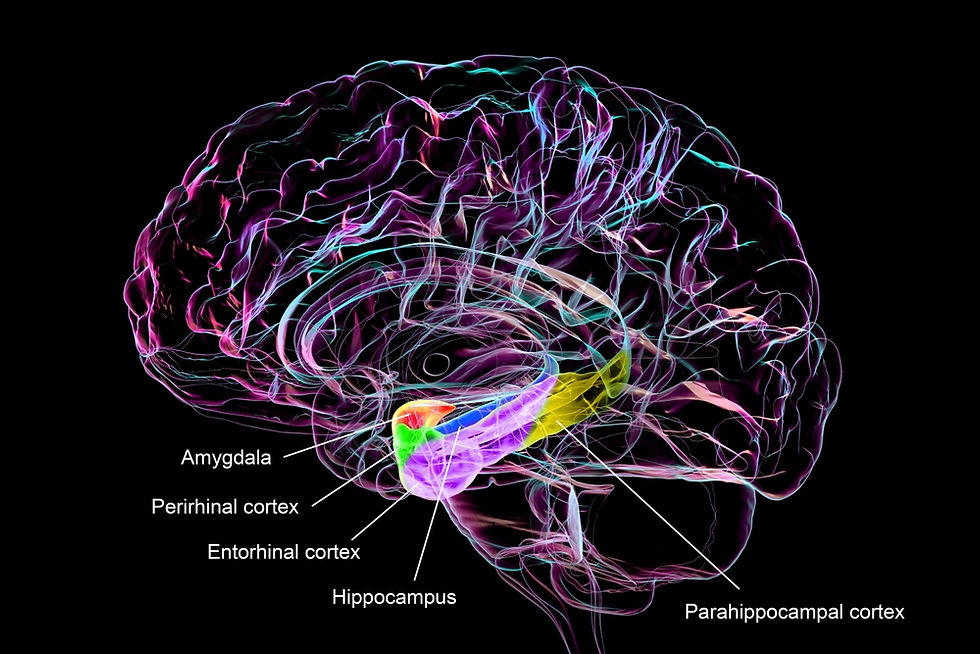
The CAN's roster includes cortical players such as the insular cortex and anterior cingulate cortex, subcortical players such as the amygdala and hypothalamus, and brainstem nuclei, including the nucleus of the tractus solitarius (NTS) and the ventrolateral medulla (Benarroch, 1993; Lamotte et al., 2021).

These regions are wired reciprocally. Information flows in every direction, not just top-down. The NTS receives sensory data from the heart and gut via the vagus nerve, processes it alongside cortical input, and generates coordinated autonomic output (Benarroch, 1993; Lamotte et al., 2021).

Why does this matter at the bedside? Because the CAN explains how panic attacks cause arrhythmias and how strokes cause heart attacks. The insular cortex builds a real-time map of your body's internal state. The anterior cingulate generates predictive autonomic commands. The amygdala tags incoming signals with emotional valence and triggers survival responses (Lamotte et al., 2021).
Damage the insula with a stroke, and you lose cortical regulation of cardiac rhythm. The result is often severe arrhythmia, the hallmark of stroke-heart syndrome (Benarroch, 1993; Lohman et al., 2026; Scheitz et al., 2022).
Thayer and Lane (2000) took the CAN concept further with their neurovisceral integration model. The key idea is that the prefrontal cortex tonically inhibits subcortical threat circuits, especially the amygdala. This inhibition travels to the heart via the vagus nerve.
Strong prefrontal inhibition produces flexible autonomic regulation and high HRV. Weak inhibition, as seen in chronic stress, anxiety, and depression, produces sympathetic dominance and low HRV (Thayer & Lane, 2009; Thayer et al., 2012).

Meta-analytic neuroimaging studies have confirmed that HRV correlates with activity in the amygdala and ventromedial prefrontal cortex (Thayer et al., 2012). So HRV tells you about the brain, not just the heart.
The vagus nerve itself deserves a moment. It is the longest cranial nerve and the CAN's primary output cable. About 80% of its fibers are afferent, from the body to the brain rather than from the brain to the body (Fang & Zhang, 2024). Those fibers carry cardiac and gut data to the NTS, the CAN's main relay station (Benarroch, 1993; Lamotte et al., 2021). This makes the CAN a continuously updated integrative hub for both heart-brain and gut-brain signals.
Beyond the vagus, immune cells and cytokines also mediate heart-brain crosstalk. After a myocardial infarction, splenic monocytes can cross the blood-brain barrier and activate microglia, triggering neuroinflammation and cognitive decline (Simats et al., 2024).
Heart disease does not just coexist with brain dysfunction. It causes it. In short, the CAN is the brain's autonomic command center. The vagus nerve is its main cable. HRV is your peripheral window into how well the CAN is functioning. And the same CAN pathways that regulate the heart also regulate the gut.
The Gut-Brain Axis: Same Nerve, Different Cargo
This section covers how gut microbiota communicate with the brain and why this axis matters for mood, cognition, and motivation.
Your gut contains roughly 100 trillion microorganisms whose collective genome is about 150 times larger than yours (Ramadan et al., 2025). These are not passive digestive assistants. They produce neurotransmitters, regulate immunity, and send signals directly to the brain through the same vagus nerve that carries cardiac data (Cryan et al., 2019; O'Mahony et al., 2025; Ramadan et al., 2025).

Three signaling tracks connect the gut to the brain. The neural track runs through the vagus nerve and the enteric nervous system, roughly 500 million neurons embedded in the gut wall (Cryan et al., 2019).

Vagal afferents sense microbial metabolites and relay them to the NTS; the same CAN relay that processes heartbeat data (Benarroch, 1993; O'Mahony et al., 2025). The immune track runs through gut-associated lymphoid tissue, the body's largest immune organ.
When the gut barrier breaks down, bacterial toxins translocate into the bloodstream and drive systemic and neuroinflammation (O'Mahony et al., 2025; Ramadan et al., 2025).

The metabolic track centers on short-chain fatty acids like butyrate, which cross the blood-brain barrier and modulate neurotransmitter release (Ramadan et al., 2025).
Here is a number worth remembering: about 90% of the body's serotonin is made in the gut, not the brain (Cryan et al., 2019; Ramadan et al., 2025).

Gut-derived serotonin does not cross the blood-brain barrier directly. But it influences the brain through vagal signaling and by regulating tryptophan availability, the precursor to central serotonin (Hwang & Oh, 2025; O'Mahony et al., 2025).
When dysbiosis diverts tryptophan toward the kynurenine pathway rather than serotonin synthesis, central serotonin levels drop and neurotoxic quinolinic acid levels rise. This pattern is consistently seen in major depression (O'Mahony et al., 2025; Ramadan et al., 2025). That is why GI symptoms and depression travel together so often.

The bottom line: the gut-brain axis shares the vagus nerve, the immune system, and the CAN relay stations with the heart-brain axis. It is the same highway carrying different cargo.
Where the Axes Converge: The Heart-Brain-Gut Triangle
This section explains how gut metabolites hit the brain and heart simultaneously, and why gut health is cardiovascular health.
The two axes do not just run in parallel. They converge to form a gut-brain-heart triangle (Chen et al., 2025; Li et al., 2025). The best-documented intersection involves trimethylamine N-oxide (TMAO).
Gut bacteria metabolize choline and L-carnitine from red meat, eggs, and liver into trimethylamine. The liver oxidizes it to TMAO. TMAO then circulates systemically, promoting endothelial dysfunction, platelet reactivity, plaque instability, and vascular inflammation (Chen et al., 2025; Li et al., 2025). Elevated TMAO is an independent risk marker for heart attack and stroke (Li et al., 2025).

Meanwhile, butyrate and other short-chain fatty acids from beneficial bacteria protect the cardiovascular system and the brain. Butyrate maintains gut barrier integrity, dampens inflammation, and modulates central neurotransmitter release (Chen et al., 2025; Li et al., 2025).
Heart failure patients consistently exhibit depleted butyrate-producing bacteria, increased gut permeability, and elevated circulating endotoxin levels (Li et al., 2025). The gut is simultaneously amplifying harmful signals via TMAO and losing its protective capacity due to depletion of short-chain fatty acids.
A 2026 zebrafish study provided direct experimental proof. Depleting the gut microbiome altered hypothalamic neuronal firing and impaired cardiac diastolic function. Supplementing microbial metabolites partially rescued both the brain and the heart (Biolkova et al., 2026). The gut microbiome is not just associated with these outcomes. It is wired into the autonomic circuits that control them.
Diet shapes the microbiome. The microbiome shapes the metabolite balance. The metabolites shape the brain and the heart. That is the triangle.
Interoception: How the Brain Listens to the Body
This section covers interoception, heartbeat-evoked potentials, and why gut signals shape emotion and decision-making.
Interoception is the brain's ability to sense internal bodily states, such as heartbeats, breathing, hunger, and gut tension (Fang & Zhang, 2024). It happens inside the CAN.

Each heartbeat triggers baroreceptors in the aortic arch and carotid sinuses. Those signals travel via the vagus nerve to the NTS, then up to the thalamus and insular cortex (Benarroch, 1993; Dohata et al., 2025; Fang & Zhang, 2024). The brain responds with a measurable electrical signal called the heartbeat-evoked potential (HEP; Cammisuli et al., 2025; Kumagai et al., 2025).

Gut signals travel the same route. The brain builds its internal body map from cardiac and gastrointestinal data simultaneously (Cryan et al., 2019; O'Mahony et al., 2025).
People with stronger interoceptive awareness regulate emotions better and handle stress more adaptively (Kumagai et al., 2025; Murphy et al., 2019). Impaired interoception is linked to anxiety, depression, borderline personality disorder, and alexithymia (Kumagai et al., 2025; Murphy et al., 2019).
Recent data show that HEP amplitude increases when people consciously notice changes in their internal state during emotional experiences (Kumagai et al., 2025). The brain is not passively receiving heartbeat signals. It is actively tuning its sensitivity based on context. From an allostatic perspective, interoception is the sensory mechanism that monitors whether the body's regulatory predictions are working.
The clinical implication is that heartbeat-detection training and mindfulness-based body-awareness practices can strengthen the neural circuits linking visceral signals to cortical processing. Better interoception supports better emotional regulation and lower allostatic load.
Depression and Cardiovascular Disease: When Allostasis Breaks Down
This section covers the bidirectional depression-CVD relationship as a manifestation of allostatic overload across all three axes.
Depression roughly doubles the odds of developing cardiovascular disease (Fang & Zhang, 2024). The mechanisms are not mysterious. Depression drives sustained sympathetic overdrive, reduces HRV, elevates inflammatory markers, disrupts endothelial function, and degrades the gut microbiome (Cammisuli et al., 2025; Fang & Zhang, 2024; O'Mahony et al., 2025). It also reduces medication adherence, physical activity, and dietary quality. All three axes take the hit simultaneously.
The reverse pathway is just as real. Heart failure reduces cerebral perfusion, damages the blood-brain barrier, and cuts mesenteric blood flow to the gut (Fang & Zhang, 2024; Li et al., 2025; Scheitz et al., 2022). Stroke patients frequently develop troponin elevation, arrhythmias, and wall motion abnormalities, a pattern called stroke-heart syndrome. CAN dysfunction is the driver.
Strokes that damage the insular cortex strip away the brain's cortical regulation of cardiac rhythm, producing catecholamine surges that directly injure the myocardium (Lohman et al., 2026; Scheitz et al., 2022). This is allostatic overload in action: the systems meant to maintain stability are locked in a self-reinforcing cycle of damage across the heart, brain, and gut (McEwen, 2003).
The clinical mandate is integrated screening. The AHA recommends depression screening for cardiac patients (Fang & Zhang, 2024). Adding dietary history, GI symptoms, and inflammatory markers gives you a fuller picture of allostatic load across all three axes.
Pharmacological Tools That Target the Network
This section covers GLP-1 agonists, vagus nerve stimulation, psychobiotics, beta-blockers, and SSRIs as multi-axis interventions.
GLP-1 receptor agonists are the standout story. Originally built for diabetes, these drugs have receptors in the pancreas, brain, vasculature, and gut (Adamou et al., 2024; Jia & Li, 2025). A meta-analysis of 11 cardiovascular outcome trials with over 82,000 participants found a 15-16% reduction in stroke risk compared with placebo (Adamou et al., 2024). Preclinical work shows they also reduce neuroinflammation, stabilize the blood-brain barrier, and promote neurogenesis (Maskery et al., 2022).
The 2024 AHA/ASA guidelines now recommend them for stroke prevention in patients with diabetes and high cardiovascular risk (Bushnell et al., 2024). These agents hit all three axes at once.
Vagus nerve stimulation is a direct play on the CAN's main cable. The FDA approved it for treatment-resistant depression in 2005 and stroke rehab in 2021 (Bu et al., 2026).

A 12-month, sham-controlled trial of 493 patients showed meaningful improvements in depression response and remission rates (Aaronson et al., 2024). Because the vagus innervates both heart and gut, stimulating it inherently affects both axes (Beltran-Navarro et al., 2024; Bu et al., 2026).
Psychobiotics are probiotic strains with evidence for effects on brain function. Specific Lactobacillus and Bifidobacterium strains have been shown to reduce anxiety and depression in RCTs, likely through vagal modulation and enhanced tryptophan availability (O'Mahony et al., 2025; Ramadan et al., 2025).
Beta-blockers suppress sympathetic hyperarousal across cardiac and gut function. SSRIs modulate vagal tone and serotonin-mediated gut-brain signaling (Fang & Zhang, 2024; Hwang & Oh, 2025). The future of pharmacology is multi-axis, not single-organ.
Breathing, Music, Diet, and the Parasympathetic Shift
This section covers low-cost interventions that shift autonomic balance across all three axes.
Slow breathing at about 6 breaths per minute, or at one's resonance frequency, is one of the simplest ways to activate the parasympathetic system. This rate matches the baroreceptor reflex's ~5-second delay (Mitsea et al., 2024). Baroreflex sensitivity increases. HRV improves. Cortisol drops.

Because the vagus nerve innervates both heart and gut, enhanced vagal tone simultaneously improves cardiac regulation and gut motility. Bhramari pranayama, a yogic humming technique, extends the exhalation phase and further amplifies vagal activation (Mitsea et al., 2024).
Music therapy works through similar autonomic channels. Selected auditory stimuli can reduce heart and respiratory rates by synchronizing bodily rhythms with an external tempo (Mitsea et al., 2024). These effects occur even in ICU patients with reduced consciousness, meaning the cardiovascular benefits do not require cognitive engagement.
Dietary fiber feeds butyrate-producing bacteria such as Faecalibacterium prausnitzii and Bifidobacterium, thereby strengthening gut barrier integrity and reducing systemic inflammation (Chen et al., 2025; Li et al., 2025).
Red meat and processed foods elevate TMAO levels, promoting endothelial damage (Chen et al., 2025; Li et al., 2025). The Mediterranean diet has demonstrated benefits across all three axes: improved microbial diversity and reduced cardiovascular events (Li et al., 2025). Interoceptive awareness training strengthens insular cortex connectivity and improves emotional regulation (Kumagai et al., 2025; Mitsea et al., 2024).
These are low-cost, evidence-based tools. Combine slow breathing, dietary fiber, and body awareness training for a multi-axis parasympathetic intervention that your patients can start today.
Wearable Technology and Hemodynamic Monitoring
This section covers how wearable biosensors and arterial elastance are bringing axis monitoring out of the lab.
Consumer wearables now track HRV, pulse transit time, and electrodermal activity in real time (Cammisuli et al., 2025; Park et al., 2019). Through the lens of neurovisceral integration, HRV is not just a cardiac metric. It is a peripheral index of CAN function, reflecting the integrity of the prefrontal-subcortical circuit (Thayer & Lane, 2000; Thayer & Lane, 2009; Thayer et al., 2012).
Because the CAN regulates cardiac function, gut motility, and inflammatory responses simultaneously, HRV serves as a proxy for allostatic capacity across all three axes (Cammisuli et al., 2025; Thayer et al., 2006).
Pulse transit time, the interval between the cardiac electrical event and the peripheral pulse wave, offers cuffless continuous blood pressure monitoring (Park et al., 2019).

Arterial elastance, the ratio of end-systolic pressure to stroke volume, captures both resistive and pulsatile vascular loads, making it a better predictor than blood pressure alone (Antohi et al., 2022; Garcia et al., 2014; Wang & Yin, 2024).
Currently used mainly in acute care, it could eventually enable early detection of ventricular-arterial uncoupling, a precursor to heart failure (Antohi et al., 2022).
The measurement tools are catching up to the science. Continuous ambulatory HRV monitoring is bringing research-grade CAN assessment to everyday clinical practice.
Five Takeaways for Practice
1. The heart, brain, and gut form an integrated network coordinated by the CAN. Dysfunction in one axis can propagate to the others via the vagus nerve, the immune system, and the HPA axis.
2. Depression doubles cardiovascular risk, cardiovascular disease promotes depression, and gut dysbiosis amplifies both through TMAO, SCFA depletion, and tryptophan diversion. Screen across all three systems.
3. GLP-1 receptor agonists reduce stroke risk by about 15% and offer neurovascular protection across the gut-brain-heart triangle, making them the first drug class to target all three axes.
4. Slow breathing at six breaths per minute, dietary fiber for butyrate-producing bacteria, and interoceptive training each produce measurable parasympathetic activation. Combine them for a low-cost multi-axis intervention.
5. HRV, now accessible via consumer wearables, is a peripheral index of CAN function and allostatic capacity across all three axes. Use it.
Glossary
allostasis: the process of achieving physiological stability through continuous adaptive change, coordinated by the CAN across the autonomic nervous system, HPA axis, immune system, and metabolic pathways.
allostatic load: the cumulative physiological wear and tear from chronically activated or poorly regulated allostatic systems, manifesting as elevated cortisol, low HRV, chronic inflammation, insulin resistance, and gut barrier dysfunction.
arterial elastance (EA): the total load the arterial system imposes on the heart, calculated as end-systolic pressure divided by stroke volume. Captures both resistive and pulsatile vascular components.
baroreceptor: A stretch-sensitive receptor in the aortic arch and carotid sinuses that detects blood pressure changes and relays them to the brainstem for autonomic adjustment.
Bhramari Pranayama: a yogic breathing technique using sustained humming exhalation to prolong the expiratory phase and enhance vagal activation.
blood-brain barrier (BBB): a selectively permeable membrane of cerebral endothelial cells that restricts the passage of substances from blood to brain. Compromised in neuroinflammatory and neurovascular disease.
butyrate: a short-chain fatty acid produced by bacterial fermentation of dietary fiber. Primary energy source for colonocytes; maintains gut barrier integrity; reduces inflammation; modulates central neurotransmitter release.
central autonomic network (CAN): the set of reciprocally interconnected brain regions that control visceral function, neuroendocrine output, pain, and survival behavior. Includes the insular cortex, anterior cingulate, amygdala, hypothalamus, periaqueductal gray, NTS, and ventrolateral medulla. First formalized by Benarroch (1993). HRV serves as a peripheral index of CAN function. dysbiosis: an imbalance in the composition or function of a microbial community (typically the gut microbiota), characterized by loss of beneficial species, overgrowth of pathobionts, or reduced diversity, and associated with inflammation and disease.
enteric nervous system (ENS): roughly 500 million neurons in the gut wall that independently regulate motility, secretion, and blood flow while communicating with the CNS through vagal and spinal afferents.
GLP-1 receptor agonist (GLP-1RA): a drug class mimicking the incretin hormone GLP-1. Receptors in the pancreas, brain, vasculature, and gut provide metabolic, cardiovascular, and neurovascular protection.
gut-brain axis (GBA): the bidirectional communication network between GI tract and CNS, mediated by the vagus nerve, enteric nervous system, immune system, and circulating microbial metabolites.
gut microbiome: The collective genome of roughly 100 trillion microorganisms in the GI tract, influencing host physiology through metabolite production, immune regulation, and neural signaling.
heart-brain axis (HBA): the bidirectional communication network between heart and brain involving neural, hormonal, immunological, and mechanical pathways regulating cardiovascular function, emotion, and cognition.
heart rate variability (HRV): beat-to-beat variation in heart rate reflecting sympathetic-parasympathetic balance. Per the neurovisceral integration model, HRV indexes CAN function, with higher resting HRV reflecting stronger prefrontal inhibition of subcortical threat circuits.
heartbeat-evoked potential (HEP): an EEG signal reflecting cortical processing of each heartbeat. Modulated by attention, arousal, and interoceptive awareness. Altered in depression, anxiety, and borderline personality disorder.
hypothalamic-pituitary-adrenal (HPA) axis: the neuroendocrine system (hypothalamus, pituitary, adrenal cortex) that regulates cortisol-mediated stress responses. Chronic activation contributes to allostatic load.
insular cortex (insula): a brain region deep in the lateral sulcus, central to interoceptive processing, autonomic regulation, emotional awareness, and decision-making. A key CAN node.
interoception: the sense of the body's internal state, including heartbeats, respiratory effort, hunger, and visceral sensations. Fundamental to emotional experience and allostatic prediction.
kynurenine pathway: the primary metabolic route for tryptophan degradation, initiated by the enzymes IDO or TDO. It generates a cascade of neuroactive metabolites (kynurenine, kynurenic acid, quinolinic acid, etc.) and ultimately produces NAD⁺. The pathway is upregulated by pro-inflammatory cytokines and plays a key role in immune regulation and neurotoxicity.
neurovisceral integration model: Thayer and Lane's (2000) framework linking the CAN to HRV, cognition, and emotional regulation. The prefrontal cortex tonically inhibits subcortical threat circuits via the vagus nerve; HRV indexes these circuits' functional integrity.
nucleus of the tractus solitarius (NTS): the brainstem relay station for visceral afferent information entering the CAN. Receives baroreceptor, cardiac, and gut vagal input and distributes it to the hypothalamus, amygdala, and insula.
periaqueductal gray (PAG): midbrain gray matter initiating coordinated autonomic, pain modulatory, and motor response patterns, including fight-or-flight and passive coping. A key CAN component.
psychobiotics: probiotic strains with evidence for effects on brain function through gut-brain axis mechanisms, including vagal modulation, neurotransmitter precursor production, and anti-inflammatory activity.
pulse transit time (PTT): the interval between the cardiac electrical event and arrival of the pulse wave peripherally. Inversely correlated with blood pressure; enables cuffless BP estimation.
quinolinic acid: a downstream kynurenine-pathway metabolite and NMDA-receptor agonist; at elevated concentrations, it is neurotoxic and excitotoxic, contributing to oxidative stress and neurodegeneration. It is primarily produced by activated microglia and macrophages during inflammation.
resonance frequency: the breathing rate, typically about six breaths per minute, at which respiratory sinus arrhythmia peaks and baroreflex gain is optimized.
short-chain fatty acids (SCFAs): fatty acids under six carbons (acetate, propionate, butyrate) produced by bacterial fermentation of dietary fiber. Maintain gut barrier integrity, modulate immunity, and influence brain activity via the gut-brain axis.
stroke-heart syndrome: cardiac dysfunction, myocardial injury, and arrhythmias following acute ischemic stroke. Driven by CAN dysfunction, particularly insular and limbic damage, producing catecholamine surges through loss of cortical autonomic regulation.
transcutaneous auricular vagus nerve stimulation (taVNS): a noninvasive neuromodulation technique delivering electrical stimulation to the auricular branch of the vagus nerve via ear electrodes, primarily at the cymba conchae.
trimethylamine N-Oxide (TMAO): a metabolite from gut bacterial metabolism of dietary choline and L-carnitine, oxidized in the liver. Promotes endothelial dysfunction, platelet reactivity, and atherosclerosis. Independent risk marker for major adverse cardiovascular events.
vagus nerve: the tenth cranial nerve and primary parasympathetic conduit, extending from brainstem to thoracic and abdominal viscera. About 80% of its fibers are afferent, carrying sensory information from the heart and gut to the brain.
ventricular-arterial coupling: The ratio of arterial elastance to ventricular elastance. Optimal coupling ensures efficient blood transfer from the heart to the arterial system with minimal energy waste.
References
Aaronson, S. T., Sackeim, H. A., Conway, C. R., Bunker, M. T., Vetter, M., Biren, B., Carlin, A., Rush, A. J., & George, M. S. (2024). Vagus nerve stimulation in treatment-resistant depression: A one-year, randomized, sham-controlled trial. Brain Stimulation, 17(6), 1344–1356. https://doi.org/10.1016/j.brs.2024.12.1216
Adamou, A., Barkas, F., Milionis, H., & Ntaios, G. (2024). Glucagon-like peptide-1 receptor agonists and stroke: A systematic review and meta-analysis of cardiovascular outcome trials. European Stroke Journal, 9(3), 530–539. https://doi.org/10.1177/23969873241234238
Antohi, E.-L., Chioncel, O., & Mihaileanu, S. (2022). Overcoming the limits of ejection fraction and ventricular-arterial coupling in heart failure. Frontiers in Cardiovascular Medicine, 8, 750965. https://doi.org/10.3389/fcvm.2021.750965
Benarroch, E. E. (1993). The central autonomic network: Functional organization, dysfunction, and perspective. Mayo Clinic Proceedings, 68(10), 988–1001. https://doi.org/10.1016/s0025-6196(12)62272-1
Beltran-Navarro, E., Langdon, A., Mamo, E., O'Connor, S. R., Quinn, T. J., & Broomfield, N. M. (2024). Clinical application of transcutaneous auricular vagus nerve stimulation: A scoping review. Disability and Rehabilitation, 46(24), 5730–5760. https://doi.org/10.1080/09638288.2024.2313123
Biolkova, V., Oralova, V., & Novotny, T. (2026). Gut-brain-heart axis: Microbiome metabolites regulate hypothalamic neurons and cardiac function in zebrafish. Nature Cardiovascular Research, 5, 234–248. https://doi.org/10.1038/s44161-026-00612-4
Bu, Y., Toffa, D. H., Bhatt, D. K., & Bhatt, N. R. (2026). A review of vagus nerve stimulation for disease: Comprehensive theory and evidence for mechanisms of action. Comprehensive Physiology, 16(1), e70109. https://doi.org/10.1002/cph4.70109
Bushnell, C. D., Chaturvedi, S., Gage, K. R., Herson, P. S., Hreib, K., Kernan, W. N., Leira, E. C., Meschia, J. F., Rundek, T., Seshadri, S., & Waddy, S. P. (2024). 2024 AHA/ASA guideline for the primary prevention of stroke. Stroke, 55(12), e344–e413. https://doi.org/10.1161/STR.0000000000000475
Cammisuli, D. M., Lautarescu, A., Manni, L., Castelnuovo, G., Marchetti, D., Fontana, A., & Cau, R. (2025). The heart-brain axis in the artificial intelligence era. International Journal of Molecular Sciences, 26(17), 8217. https://doi.org/10.3390/ijms26178217
Chen, Z., Zhang, Y., Li, M., & Wang, X. (2025). The gut-heart axis: Unveiling the roles of gut microbiota in cardiovascular diseases. Frontiers in Cardiovascular Medicine, 12, 1572948. https://doi.org/10.3389/fcvm.2025.1572948
Cryan, J. F., O'Riordan, K. J., Cowan, C. S. M., Sandhu, K. V., Bastiaanssen, T. F. S.,
Boehme, M., ... Dinan, T. G. (2019). The microbiota-gut-brain axis. Physiological Reviews, 99(4), 1877–2013. https://doi.org/10.1152/physrev.00018.2018
Dohata, M., Kaneko, N., Takahashi, R., Suzuki, Y., & Nakazawa, K. (2025). Posture-dependent modulation of interoceptive processing: A heartbeat-evoked potential study. European Journal of Neuroscience, 61(1), e70021. https://doi.org/10.1111/ejn.70021
Fang, S., & Zhang, W. (2024). Heart-brain axis: A narrative review of the interaction between depression and arrhythmia. Biomedicines, 12(8), 1719. https://doi.org/10.3390/biomedicines12081719
García, M. I. M., Romero, M. G., Cano, A. G., Aya, H. D., Rhodes, A., Grounds, R. M., & Cecconi, M. (2014). Dynamic arterial elastance as a predictor of arterial pressure response to fluid administration. Critical Care, 18, 626. https://doi.org/10.1186/s13054-014-0626-6
Hwang, Y. K., & Oh, J. S. (2025). Interaction of the vagus nerve and serotonin in the gut-brain axis. International Journal of Molecular Sciences, 26(3), 1160. https://doi.org/10.3390/ijms26031160
Jia, Q., & Li, Z. (2025). Glucagon-like peptide-1 receptor agonists in the prevention of ischemic stroke. Journal of Stroke, 27(3), 289–301. https://doi.org/10.5853/jos.2025.00584
Kumagai, R., Onoda, K., Nishimura, T., & Yamaguchi, S. (2025). Heartbeat evoked potentials reflect interoceptive awareness during an emotional situation. Scientific Reports, 15, 8134. https://doi.org/10.1038/s41598-025-92854-4
Lamotte, G., Shouman, K., & Benarroch, E. E. (2021). Stress and central autonomic network. Autonomic Neuroscience: Basic and Clinical, 235, 102870. https://doi.org/10.1016/j.autneu.2021.102870
Li, X., Wang, J., Zhang, H., & Liu, Y. (2025). Gut-heart axis: The role of gut microbiota and metabolites in heart failure. Circulation Research, 137(4), 456–472. https://doi.org/10.1161/circresaha.125.325516
Lohman, T. K., Breit, S., Grefkes, C., & Fink, G. R. (2026). Central autonomic network dysfunction in stroke-heart syndrome. Frontiers in Neuroscience, 20, 1690302. https://doi.org/10.3389/fnins.2026.1690302
Maskery, M. P., et al. (2022). Protection against stroke with glucagon-like peptide-1 receptor agonists: A comprehensive review. Cardiovascular Diabetology, 21, 242. https://doi.org/10.1186/s12933-022-01686-3
McEwen, B. S. (2000). Allostasis, allostatic load, and the aging nervous system. Neurochemical Research, 25(9–10), 1219–1231. https://doi.org/10.1023/A:1007687911139
McEwen, B. S. (2003). Allostasis and allostatic load: Implications for neuropsychopharmacology. Neuropsychopharmacology, 22(2), 108–124. https://doi.org/10.1016/S0893-133X(99)00129-3
McEwen, B. S., & Stellar, E. (1993). Stress and the individual: Mechanisms leading to disease. Archives of Internal Medicine, 153(18), 2093–2101. https://doi.org/10.1001/archinte.1993.00410180039004
Mitsea, E., Drigas, A., & Skianis, C. (2024). Breathing interventions for mental and emotional health: A systematic review. Electronics, 13(12), 2253. https://doi.org/10.3390/electronics13122253
Murphy, J., Brewer, R., Catmur, C., & Bird, G. (2019). Interoception and psychopathology: A developmental neuroscience perspective. Developmental Cognitive Neuroscience, 23, 45–56. https://doi.org/10.1016/j.dcn.2016.12.006
O'Mahony, S. M., Clarke, G., Borre, Y. E., Dinan, T. G., & Cryan, J. F. (2025). The gut microbiota-immune-brain axis: Therapeutic implications. Cell Reports Medicine, 6(3), 101982. https://doi.org/10.1016/j.xcrm.2025.101982
Park, J., Yang, S., Sohn, J., Lee, J., Lee, S., Ku, Y., & Kim, H. C. (2019). Cuffless and continuous blood pressure monitoring using a single chest-worn device. IEEE Access, 7, 135231–135246. https://doi.org/10.1109/access.2019.2942184
Ramadan, Y. N., Alqifari, S. F., Alshehri, K., Alhowiti, A., Mirghani, H., Alrasheed, T., & Hetta, H. F. (2025). Microbiome gut-brain-axis: Impact on brain development and mental health. Molecular Neurobiology, 62(8), 10813–10833. https://doi.org/10.1007/s12035-025-04846-0
Scheitz, J. F., Sposato, L. A., Schulz-Menger, J., Nolte, C. H., Backs, J., & Endres, M. (2022). Stroke-heart syndrome: Recent advances and challenges. Journal of the American Heart Association, 11, e026528. https://doi.org/10.1161/jaha.122.026528
Simats, A., Sager, H. B., & Liesz, A. (2024). Heart-brain axis in health and disease: Role of innate and adaptive immunity. Cardiovascular Research, 120(18), 2325–2335. https://doi.org/10.1093/cvr/cvae185
Sterling, P., & Eyer, J. (1988). Allostasis: A new paradigm to explain arousal pathology. In S. Fisher & J. Reason (Eds.), Handbook of life stress, cognition and health (pp. 629–649). John Wiley & Sons.
Thayer, J. F., Hansen, A. L., Saus-Rose, E., & Johnsen, B. H. (2006). Beyond heart rate variability: Vagal regulation of allostatic systems. Annals of the New York Academy of Sciences, 1088(1), 361–372. https://doi.org/10.1196/annals.1366.014
Thayer, J. F., & Lane, R. D. (2000). A model of neurovisceral integration in emotion regulation and dysregulation. Journal of Affective Disorders, 61(3), 201–216. https://doi.org/10.1016/s0165-0327(00)00338-4
Thayer, J. F., & Lane, R. D. (2009). Claude Bernard and the heart-brain connection: Further elaboration of a model of neurovisceral integration. Neuroscience and Biobehavioral Reviews, 33(2), 81–88. https://doi.org/10.1016/j.neubiorev.2008.08.004
Thayer, J. F., Åhs, F., Fredrikson, M., Sollers, J. J., III, & Wager, T. D. (2012). A meta-analysis of heart rate variability and neuroimaging studies. Neuroscience and Biobehavioral Reviews, 36(2), 747–756. https://doi.org/10.1016/j.neubiorev.2011.11.009
Wang, Y., & Yin, L. (2024). Noninvasive identification and therapeutic implications of supernormal left ventricular contractile phenotype. Exploration of Cardiology, 2, 97–113. https://doi.org/10.37349/ec.2024.00025

About the Author
Fred Shaffer earned his PhD in Psychology from Oklahoma State University. He earned BCIA certifications in Biofeedback and HRV Biofeedback. Fred is an Allen Fellow and Professor of Psychology at Truman State University, where he has taught for 50 years. He is a Biological Psychologist who consults and lectures in heart rate variability biofeedback, Physiological Psychology, and Psychopharmacology. Fred helped to edit Evidence-Based Practice in Biofeedback and Neurofeedback (3rd and 4th eds.) and helps to maintain BCIA's certification programs. He is a recipient of AAPB's Distinguished Scientist Award and BFE's Lifetime Impact Award.

Support Our Friends



A wiki homepage does not need to be elaborate to work well, and Kindwiki demonstrates that with a layout that keeps everything visible and uncluttered.