
A New Cochrane Review on Monoclonal Antibodies for Alzheimer's Disease


This post summarizes an important Cochrane Review on Alzheimer's treatment by Nonino and colleagues (2026).

Executive Summary
A new Cochrane Review of 17 randomized controlled trials enrolling 20,342 participants finds that anti-amyloid monoclonal antibodies produce statistically detectable but clinically trivial effects on cognition, dementia severity, and daily functioning in people with mild cognitive impairment (MCI) or mild Alzheimer's dementia.

At 18 months, the ADAS-Cog cognitive scale showed an average improvement of 0.85 points with treatment, well below the 2- to 4-point change that patients and families would actually notice. These drugs also increased the risk of brain swelling roughly tenfold, adding 107 cases of amyloid-related imaging abnormalities per 1000 treated patients, although serious adverse events and mortality did not differ from placebo.
Most trials failed to clearly report symptomatic brain swelling and microbleeding, leaving a critical gap in the information patients and clinicians need to make informed decisions.
The authors concluded that clearing amyloid from the brain does not produce a clinically meaningful benefit, a finding that directly challenges three decades of drug development guided by the amyloid cascade hypothesis.
What Is the Science Concerning Alzheimer's Disease?
Alzheimer's disease affects roughly 57 million people worldwide and ranks as the most common form of dementia.
Two proteins accumulate abnormally in the brains of affected people: amyloid-beta, which forms clumps called plaques between neurons, and tau, which forms tangles inside neurons.
John Hardy and Gerald Higgins proposed the amyloid cascade hypothesis in 1992, arguing that amyloid buildup triggers a chain reaction of tau pathology, inflammation, and neurodegeneration. If this hypothesis holds, then clearing amyloid from the brain should slow or even halt the disease.

Anti-amyloid monoclonal antibodies are laboratory-engineered proteins that bind to amyloid-beta and mark it for removal by the brain's immune cells. The word monoclonal simply means that every antibody in a given medication targets the same molecular site.
Regulators in the United States have approved several of these drugs, including aducanumab, lecanemab, and donanemab, though considerable controversy surrounds each approval. The U.S. Food and Drug Administration and the European Medicines Agency have granted marketing authorization, while the UK's National Institute for Health and Care Excellence and the Dutch Health Institute have declined to reimburse them on the grounds that clinical benefits appear too small to justify the costs and risks.
Why Cochrane Reviews Carry Authority
Many clinicians and researchers consider Cochrane Reviews the gold standard of medical evidence synthesis. The Cochrane Collaboration, an international nonprofit network of researchers, clinicians, and patient advocates, has produced systematic reviews for more than three decades.
Every Cochrane Review follows a rigid, prespecified protocol that reviewers register publicly before the work begins, unlike conventional narrative reviews. Reviewers declare their methods, inclusion criteria, and analytic plan in advance, which protects against the temptation to shape conclusions around preferred findings. Independent peer reviewers evaluate the work, standardized tools assess study quality, and the collaboration updates each review as new evidence emerges.
Two features in particular strengthen their credibility. First, Cochrane teams typically include a methodologist, a statistician, and content experts, which prevents any single perspective from dominating.
Second, Cochrane reviews routinely apply GRADE (Grading of Recommendations Assessment, Development and Evaluation), a transparent framework for rating how confident readers can be in each conclusion.
When a Cochrane Review reaches a strong conclusion, it has usually survived a gauntlet that most individual studies never face.
What Did They Study
The review authors asked a seemingly straightforward question: do anti-amyloid monoclonal antibodies actually help people with early Alzheimer's disease, and at what cost in side effects?
They included studies of nine specific drugs (aducanumab, bapineuzumab, crenezumab, donanemab, gantenerumab, lecanemab, ponezumab, remternetug, and solanezumab) compared against placebo.
Participants had either mild cognitive impairment or mild dementia due to Alzheimer's disease, representing the earliest symptomatic stages where these drugs would theoretically work best.
The team examined three main categories of benefit and several categories of harm. On the benefits side, they assessed cognitive function, dementia severity, and functional ability in everyday tasks. On the harms side, they tracked amyloid-related imaging abnormalities (ARIA), which include brain swelling (left; ARIA-E for edema) and microbleeding (right; ARIA-H for hemorrhage), along with serious adverse events and overall mortality.

They analyzed outcomes at 12, 18, 24, and beyond 24 months to capture both short-term and longer-term effects.
How Did They Do It?
The reviewers searched major medical databases, including CENTRAL, MEDLINE, and Embase, along with two trial registries, through August 2025. Pairs of reviewers independently screened over 12,000 records, retrieved 178 full-text papers, and ultimately included 17 randomized controlled trials with 20,342 participants.
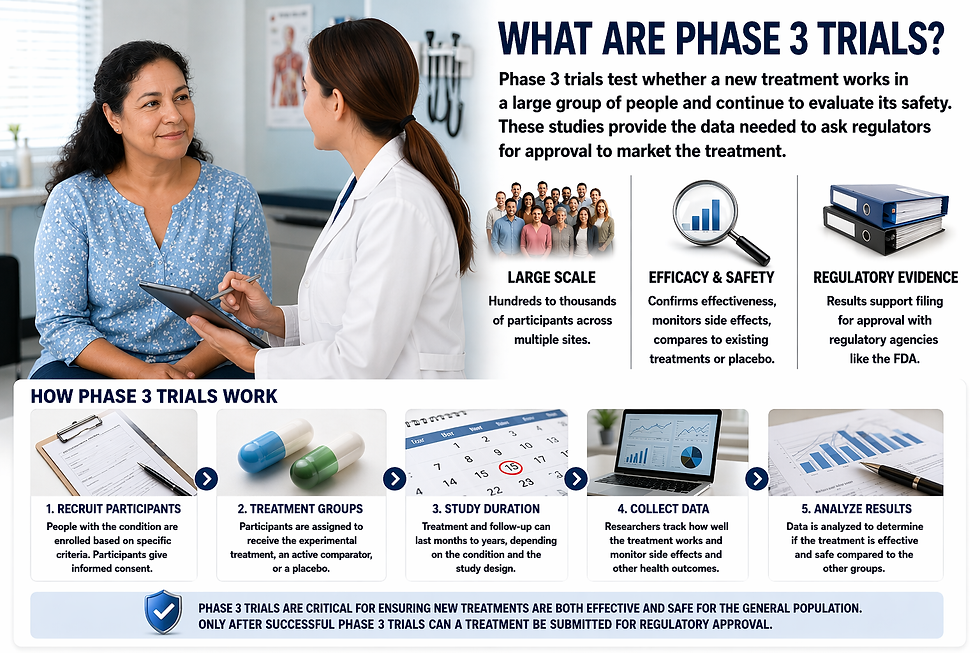
They accepted only phase 3 trials lasting at least 12 months because shorter trials cannot reasonably capture effects on a slowly progressive disease. Every trial ran between 2014 and 2024, and the pharmaceutical industry funded all of them.
The statistical approach was rigorous and conservative. For continuous measures such as cognitive test scores, the team computed standardized mean differences (SMDs), which express effects in units of standard deviation and allow comparison across different measurement scales.

They applied Cohen's conventional thresholds to interpret the magnitude: an SMD below 0.2 represents a trivial effect; 0.2 to 0.5, a small effect; 0.5 to 0.8, a moderate effect; and above 0.8, a large effect.
For adverse events, they reported risk ratios and absolute risk differences per 1000 people, which gives clinicians and patients an intuitive sense of how common a side effect actually is.
The team assessed risk of bias using Cochrane's RoB 2 tool across five domains, then graded the certainty of each conclusion using GRADE as high, moderate, low, or very low.
To determine whether observed effects were clinically meaningful, they compared the findings against established minimal clinically important differences (MCIDs), which represent the smallest changes patients would actually notice or value.

They also involved caregivers of people with dementia to help weight the importance of different outcomes, which reflects an increasingly standard feature of high-quality reviews.
What Did They Find?
The headline finding at 18 months, the follow-up period for most trials, is that anti-amyloid antibodies produced effects that were statistically detectable but clinically trivial.
On the ADAS-Cog cognitive scale, which ranges from 0 to 70 points, with higher scores indicating worse cognition, the pooled difference favoring treatment was 0.85 points (moderate-certainty evidence). The minimal clinically important difference on this scale generally sits at 2 to 3 points in mild cognitive impairment and 4 points in mild dementia, so the observed difference falls well below what patients and clinicians would notice.
On the Clinical Dementia Rating Sum of Boxes scale, which ranges from 0 to 18 points, the difference reached only 0.29 points, again well below the threshold of 1 to 2 points that clinicians consider meaningful (low-certainty evidence).
Functional ability told a similar story. On the ADCS-ADL scale, the effect size registered SMD 0.09, trivial by any standard (moderate certainty). More sensitive instrumental-activities scales tailored to mild impairment showed small effects (SMDs of about 0.21 to 0.23), but these corresponded to absolute differences of under 2 points on scales with ranges of 53 to 56 points (low certainty).
In practical terms, even experienced clinicians would struggle to detect these effects in a single patient or family.
The safety picture is more concerning. At 18 months, anti-amyloid antibodies produced 107 more cases of ARIA-E (brain swelling) per 1000 treated patients compared with placebo, a roughly tenfold increase in absolute risk (moderate certainty).
Symptomatic ARIA-E occurred in about 29 more patients per 1000, which represents a meaningful clinical risk because these events can range from headaches and confusion to serious neurological emergencies.
ARIA-H (microbleeding) results varied too much across trials to pool at 18 months, but individual trials showed roughly a doubling of risk for donanemab and lecanemab.
Serious adverse events overall and all-cause mortality did not differ meaningfully between groups at 18 months (high certainty for both), which reassures but does not erase the ARIA signal.
Lead author Francesco Nonino, a neurologist and epidemiologist at the IRCCS Institute of Neurological Sciences of Bologna, framed the findings directly in the Cochrane press release, stating that these drugs “make no meaningful difference to patients” (Cochrane, 2026). He emphasized the gap between statistical significance and clinical relevance, a distinction that matters greatly for how counselors explain research findings to patients and families.
Trials can produce p-values below 0.05 while still showing differences too small for any individual to notice in daily life, and that is precisely the pattern seen here.
Translating this distinction into plain language is itself a therapeutic act when patients arrive eager for any available disease-modifying option.
What Were the Strengths and Limitations?
This review has important methodological strengths. The team preregistered the protocol, conducted a comprehensive search across multiple databases and registries, used dual independent screening to minimize errors, and applied GRADE systematically. Pooling across multiple drugs makes sense because all share a common mechanism of targeting amyloid-beta, and the team transparently reported heterogeneity whenever it emerged. The inclusion of caregiver perspectives in weighting outcomes reflects an evolving best practice in evidence synthesis.
Several limitations deserve attention, however.
The pharmaceutical industry funded all included trials, and in some cases, company employees oversaw data analysis and manuscript preparation, raising concerns about sponsorship bias.
Follow-up periods were short for a chronic disease, with only two trials extending beyond 24 months, so long-term safety remains genuinely unknown.
The most worrying threat to validity is functional unblinding, a phenomenon in which participants and investigators correctly guess who received the active drug because side effects, such as infusion reactions, occur much more commonly in the treatment arm. Because several key outcomes (particularly the CDR-SB) rely in part on informant reports, functional unblinding could have biased results toward the treatment arm, which means the already-trivial effect sizes may overstate the true benefit.
The review also highlights a reporting gap with serious implications for patient care. Most trials did not clearly distinguish between symptomatic and asymptomatic ARIA, which matters enormously for patients weighing whether the risk of brain swelling or microbleeds justifies treatment.
Only four of the 17 trials reported symptomatic ARIA-E rates, and only one reported symptomatic ARIA-H.
Trial populations skewed predominantly white, relatively young for Alzheimer's disease (mean age 70 to 74 years versus typical onset over age 80), and highly selected, which limits how well these findings generalize to the broader patient population.
What Were the Implications for Pathomechanics and Patient Care?
The results carry substantial implications for how researchers understand Alzheimer's disease itself. For more than three decades, the amyloid cascade hypothesis has dominated drug development, and researchers have directed billions of dollars toward amyloid clearance.
This review, together with recent trials in preclinical and genetically determined Alzheimer's disease that showed similar null results, suggests that successfully removing amyloid from the brain does not translate into meaningful clinical benefit. Either amyloid does not drive cognitive decline, or it becomes irrelevant once downstream processes (tau pathology, neuroinflammation, synaptic loss, vascular changes) take hold.
The authors concluded that future research should pursue other mechanisms of action, including inflammation pathways and the gut-brain axis.
For counselors and clinical psychologists who see patients and families affected by Alzheimer's disease, several practical points emerge. Patients considering these drugs deserve a realistic conversation about what the evidence actually shows: effects that register statistically but remain too small to notice in daily life, paired with a roughly tenfold increase in brain imaging abnormalities and the logistical burden of repeated infusions and MRI monitoring.
Equity considerations also matter because eligibility requires PET scans or cerebrospinal fluid testing, plus ongoing MRI surveillance, which concentrates access to care in well-resourced health systems and disadvantages patients elsewhere. The psychological experience of receiving a disease-modifying drug that may not actually modify the disease in any meaningful way deserves exploration with patients and families.
Senior author Edo Richard, Professor of Neurology at Radboud University Medical Centre, captured the clinical tension honestly in the accompanying Cochrane press release (Cochrane, 2026). He acknowledged seeing Alzheimer's patients in his clinic each week and wishing he had an effective treatment to offer them, while concluding that anti-amyloid drugs do not fill that role and introduce additional risks.
This framing matters for counseling work because patients and families often conflate regulatory approval with proven efficacy. Helping them hold the dual reality that unmet need is real and that the newest approved option does not address it may be among the more important tasks clinicians perform in this space.
Five Takeaways
First, anti-amyloid monoclonal antibodies produce statistically detectable but clinically trivial effects on cognition, dementia severity, and daily function at 18 months in people with mild cognitive impairment or mild Alzheimer's dementia. The observed differences fall well below established thresholds for what patients would actually notice.
Second, the safety profile centers on amyloid-related imaging abnormalities, with brain swelling occurring roughly ten times more often in treated patients and symptomatic events affecting about 3 percent of those treated. Serious adverse events overall and mortality did not differ from placebo at 18 months, though long-term safety data remain sparse.
Third, the quality of reporting on symptomatic ARIA fails the standard needed for genuinely informed consent. This reporting gap represents a systemic problem across the trial literature, not an isolated failure.
Fourth, the review raises fundamental questions about the amyloid cascade hypothesis. Successfully removing amyloid does not appear to rescue cognitive function, suggesting either that amyloid does not cause decline or that intervention occurs too late in the disease process. This finding should reshape the research agenda toward other mechanisms.
Fifth, counselors and psychologists working with affected families should have frank conversations about limited benefit, meaningful risk, and considerable burden. Patients deserve to understand that regulatory approval does not equate to clinically meaningful efficacy, and that thoughtful clinicians around the world have reached divergent conclusions about whether these drugs belong in practice.
Glossary
ADAS-Cog (Alzheimer's Disease Assessment Scale-Cognitive subscale): a standardized cognitive test scored from 0 to 70, with higher scores indicating greater impairment. Clinicians generally consider a change of 2 to 4 points over 6 to 12 months to be the smallest difference patients and families would actually notice.
amyloid cascade hypothesis: the prevailing theory, first proposed in 1992, that abnormal accumulation of amyloid-beta protein in the brain triggers Alzheimer's disease by setting off tau pathology and neurodegeneration. Recent trials of anti-amyloid drugs have raised doubts about whether this hypothesis fully explains the disease.
amyloid-beta: a protein fragment that abnormally aggregates in the brains of people with Alzheimer's disease, forming the plaques visible on autopsy and detectable in living people using specialized brain scans.
APOE epsilon 4: a common genetic variant that increases the risk of developing Alzheimer's disease and also increases the risk of amyloid-related imaging abnormalities during treatment with anti-amyloid drugs.
ARIA (Amyloid-Related Imaging Abnormalities): brain changes visible on MRI that occur as a side effect of anti-amyloid therapy. ARIA-E refers to edema (swelling) and ARIA-H refers to hemorrhage (bleeding, usually microscopic).
CDR-SB (Clinical Dementia Rating Sum of Boxes): a dementia severity scale ranging from 0 to 18 points that combines informant reports and clinical judgment across six domains. A change of 1 to 2 points generally represents the smallest clinically meaningful difference.
Cochrane Review: a systematic review produced under the protocols of the Cochrane Collaboration, characterized by preregistration, dual independent screening, standardized bias assessment, and GRADE-based certainty ratings.
confidence interval (CI): the range within which the true value of an effect is likely to fall, typically reported at the 95 percent level. Narrower intervals indicate more precise estimates.
functional unblinding: a phenomenon in which participants or investigators correctly guess treatment assignment in a supposedly blinded trial because side effects differ so noticeably between groups. This can bias outcomes that depend on patient or informant judgment.
GRADE (Grading of Recommendations Assessment, Development and Evaluation): a systematic framework for rating the certainty of evidence as high, moderate, low, or very low based on study limitations, consistency, precision, directness, and publication bias.
mild cognitive impairment (MCI): a clinical stage involving objective cognitive decline that does not yet interfere with independence in daily activities. About 15 percent of people with MCI progress to dementia within two years, though some remain stable or revert to normal cognition.
minimal clinically important difference (MCID): the smallest change in a measurement scale that patients or clinicians recognize as meaningful. Effects below the MCID may reach statistical significance without being clinically relevant.
monoclonal antibody: a laboratory-produced antibody designed to bind a single specific molecular target. All molecules of a given monoclonal antibody drug are identical copies.
phase-3 trial: a large, late-stage clinical trial typically involving hundreds to thousands of patients that provides the confirmatory evidence regulatory agencies require for drug approval.
placebo-controlled randomized trial: a study in which investigators randomly assign participants to receive either the active treatment or an inactive lookalike, with neither participants nor investigators aware of the assignment. Randomization balances known and unknown factors between groups.
positron emission tomography (PET): an imaging technique that uses radioactive tracers to visualize specific molecules in the body. Amyloid PET reveals amyloid plaques in the brains of living people.
risk ratio (RR): the ratio of the probability of an event in the treatment group to the probability in the control group. A risk ratio of 10 means the event happens ten times more often with treatment than with placebo.
RoB 2: the current Cochrane tool for assessing risk of bias in randomized trials, covering randomization, deviations from intended interventions, missing data, outcome measurement, and selective reporting.
standardized mean difference (SMD): an effect size expressed in standard deviation units that allows comparison across studies using different measurement scales. By convention, 0.2 represents a small effect, 0.5 moderate, and 0.8 large.
tau: a protein that forms tangles inside neurons in Alzheimer's disease. Many researchers believe tau correlates more closely with cognitive decline than amyloid does.
References
Ackley, S. F., Zimmerman, S. C., Brenowitz, W. D., Tchetgen Tchetgen, E. J., Gold, A. L., Manly, J. J., Mayeda, E. R., Filshtein, T. J., Power, M. C., Elahi, F. M., Brickman, A. M., & Glymour, M. M. (2021). Effect of reductions in amyloid levels on cognitive change in randomized trials: Instrumental variable meta-analysis. BMJ, 372, n156. https://doi.org/10.1136/bmj.n156
Bakchine, S., Colosimo, C., Emilsson, E., Jonsdottir, S. E., Massacesi, L., Nonino, F., & Richard, E. (2025). Concerns about the approval of lecanemab for Alzheimer's disease. BMJ, 389, r778. https://doi.org/10.1136/bmj.r778
Bateman, R. J., Smith, J., Donohue, M. C., Delmar, P., Abbas, R., Salloway, S., Wojtowicz, J., Blennow, K., Bittner, T., Black, S. E., Klein, G., Boada, M., Grimmer, T., Tamaoka, A., Perry, R. J., Turner, R. S., Watson, D., Woodward, M., Thanasopoulou, A., . . . Doody, R. S. (2023). Two phase 3 trials of gantenerumab in early Alzheimer's disease. New England Journal of Medicine, 389(20), 1862-1876. https://doi.org/10.1056/NEJMoa2304430
Budd Haeberlein, S., Aisen, P. S., Barkhof, F., Chalkias, S., Chen, T., Cohen, S., Dent, G., Hansson, O., Harrison, K., von Hehn, C., Iwatsubo, T., Mallinckrodt, C., Mummery, C. J., Muralidharan, K. K., Nestorov, I., Nisenbaum, L., Rajagovindan, R., Skordos, L., Tian, Y., . . . Sandrock, A. (2022). Two randomized phase 3 studies of aducanumab in early Alzheimer's disease. Journal of Prevention of Alzheimer's Disease, 9(2), 197-210. https://doi.org/10.14283/jpad.2022.30
Cochrane. (2026, April 16). Anti-amyloid Alzheimer's drugs show no clinically meaningful effect [Press release]. https://www.cochrane.org/news/anti-amyloid-alzheimers-drugs-show-no-clinically-meaningful-effect
Filippi, M., Cecchetti, G., Spinelli, E. G., Vezzulli, P., Falini, A., & Agosta, F. (2022). Amyloid-related imaging abnormalities and beta-amyloid-targeting antibodies: A systematic review. JAMA Neurology, 79(3), 291-304. https://doi.org/10.1001/jamaneurol.2021.5205
Hardy, J. A., & Higgins, G. A. (1992). Alzheimer's disease: The amyloid cascade hypothesis. Science, 256(5054), 184-185. https://doi.org/10.1126/science.1566067
Honig, L. S., Vellas, B., Woodward, M., Boada, M., Bullock, R., Borrie, M., Hager, K., Andreasen, N., Scarpini, E., Liu-Seifert, H., Case, M., Dean, R. A., Hake, A., Sundell, K., Poole Hoffmann, V., Carlson, C., Khanna, R., Mintun, M., DeMattos, R., . . . Siemers, E. (2018). Trial of solanezumab for mild dementia due to Alzheimer's disease. New England Journal of Medicine, 378(4), 321-330. https://doi.org/10.1056/NEJMoa1705971
Jack, C. R., Jr., Bennett, D. A., Blennow, K., Carrillo, M. C., Dunn, B., Haeberlein, S. B., Holtzman, D. M., Jagust, W., Jessen, F., Karlawish, J., Liu, E., Molinuevo, J. L., Montine, T., Phelps, C., Rankin, K. P., Rowe, C. C., Scheltens, P., Siemers, E., Snyder, H. M., & Sperling, R. (2018). NIA-AA Research Framework: Toward a biological definition of Alzheimer's disease. Alzheimer's & Dementia, 14(4), 535-562. https://doi.org/10.1016/j.jalz.2018.02.018
Muir, R. T., Hill, M. D., Black, S. E., & Smith, E. E. (2024). Minimal clinically important difference in Alzheimer's disease: Rapid review. Alzheimer's & Dementia, 20(5), 3352-3363. https://doi.org/10.1002/alz.13770
Nonino, F., Minozzi, S., Sambati, L., Del Giovane, C., Baldin, E., Bassi, M. C., De Santis, C., Gonzalez-Lorenzo, M., Vignatelli, L., Filippini, G., & Richard, E. (2026). Amyloid-beta-targeting monoclonal antibodies for people with mild cognitive impairment or mild dementia due to Alzheimer's disease. Cochrane Database of Systematic Reviews, 2026(4), CD016297. https://doi.org/10.1002/14651858.CD016297
Ostrowitzki, S., Bittner, T., Sink, K. M., Mackey, H., Rabe, C., Honig, L. S., Cassetta, E., Woodward, M., Boada, M., van Dyck, C. H., Grimmer, T., Selkoe, D. J., Schneider, A., Blondeau, K., Hu, N., Quartino, A., Clayton, D., Dolton, M., Dang, Y., . . . Doody, R. (2022). Evaluating the safety and efficacy of crenezumab vs placebo in adults with early Alzheimer disease: Two phase 3 randomized placebo-controlled trials. JAMA Neurology, 79(11), 1113-1121. https://doi.org/10.1001/jamaneurol.2022.2909
Salloway, S., Sperling, R., Fox, N. C., Blennow, K., Klunk, W., Raskind, M., Sabbagh, M., Honig, L. S., Porsteinsson, A. P., Ferris, S., Reichert, M., Ketter, N., Nejadnik, B., Guenzler, V., Miloslavsky, M., Wang, D., Lu, Y., Lull, J., Tudor, I. C., . . . Brashear, H. R. (2014). Two phase 3 trials of bapineuzumab in mild-to-moderate Alzheimer's disease. New England Journal of Medicine, 370(4), 322-333. https://doi.org/10.1056/NEJMoa1304839
Sims, J. R., Zimmer, J. A., Evans, C. D., Lu, M., Ardayfio, P., Sparks, J., Wessels, A. M., Shcherbinin, S., Wang, H., Monkul Nery, E. S., Collins, E. C., Solomon, P., Salloway, S., Apostolova, L. G., Hansson, O., Ritchie, C., Brooks, D. A., Mintun, M., & Skovronsky, D. M. (2023). Donanemab in early symptomatic Alzheimer disease: The TRAILBLAZER-ALZ 2 randomized clinical trial. JAMA, 330(6), 512-527. https://doi.org/10.1001/jama.2023.13239
Sperling, R. A., Donohue, M. C., Raman, R., Rafii, M. S., Johnson, K., Masters, C. L., van Dyck, C. H., Iwatsubo, T., Marshall, G. A., Yaari, R., Mancini, M., Holdridge, K. C., Case, M., Sims, J. R., & Aisen, P. S. (2023). Trial of solanezumab in preclinical Alzheimer's disease. New England Journal of Medicine, 389(12), 1096-1107. https://doi.org/10.1056/NEJMoa2305032
van Dyck, C. H., Swanson, C. J., Aisen, P., Bateman, R. J., Chen, C., Gee, M., Kanekiyo, M., Li, D., Reyderman, L., Cohen, S., Froelich, L., Katayama, S., Sabbagh, M., Vellas, B., Watson, D., Dhadda, S., Irizarry, M., Kramer, L. D., & Iwatsubo, T. (2023). Lecanemab in early Alzheimer's disease. New England Journal of Medicine, 388(1), 9-21. https://doi.org/10.1056/NEJMoa2212948
Wolters, F. J., & Labrecque, J. A. (2024). Potential impact of unblinding on observed treatment effects in Alzheimer's disease trials. Alzheimer's & Dementia, 20(4), 3119-3125. https://doi.org/10.1002/alz.13690

About the Author
Fred Shaffer earned his PhD in Psychology from Oklahoma State University. He earned BCIA certifications in Biofeedback and HRV Biofeedback. Fred is an Allen Fellow and Professor of Psychology at Truman State University, where he has taught for 50 years. He is a Biological Psychologist who consults and lectures in heart rate variability biofeedback, Physiological Psychology, and Psychopharmacology. Fred helped to edit Evidence-Based Practice in Biofeedback and Neurofeedback (3rd and 4th eds.) and helps to maintain BCIA's certification programs. He is a recipient of AAPB's Distinguished Scientist Award and BFE's Lifetime Impact Award.

Support Our Friends



Comments